
Many individuals consider moisturising an essential part of their skincare routine, but dermatologists warn that simple mistakes can render this task ineffective and even detrimental to skin health. A growing awareness of proper application techniques is vital, especially as winter approaches and temperatures drop across the UK. Moisturisers play a key role in maintaining skin hydration, creating a barrier that protects against irritants and environmental stressors. However, improper usage can lead to issues such as clogged pores, allergic reactions, and inadequate hydration.
One alarming fact highlighted by skin experts is the tendency to apply moisturiser on dry skin, which many people may overlook. Not only does moist skin accept hydrating ingredients more readily, but correct application techniques can significantly enhance the effectiveness of any cream or lotion. Additionally, relying on SPF moisturisers alone for sun protection poses another common risk, as these products often fail to deliver the level of defence necessary against harmful UV rays. Understanding these common pitfalls can empower individuals to take control of their skincare practices and safeguard their skin.
Moisturising Techniques That Make a Difference
Dr Adel, a popular dermatologist, emphasizes the importance of timing when applying moisturiser. She advises doing so within the first five minutes of stepping out of the shower, when skin is still damp. This technique enhances absorption, allowing hydrating ingredients to penetrate deeper into the skin. Moreover, the direction of application matters; applying moisturiser in the direction of hair growth can prevent conditions like folliculitis, which arises from clogged hair follicles.
Common Mistakes to Avoid
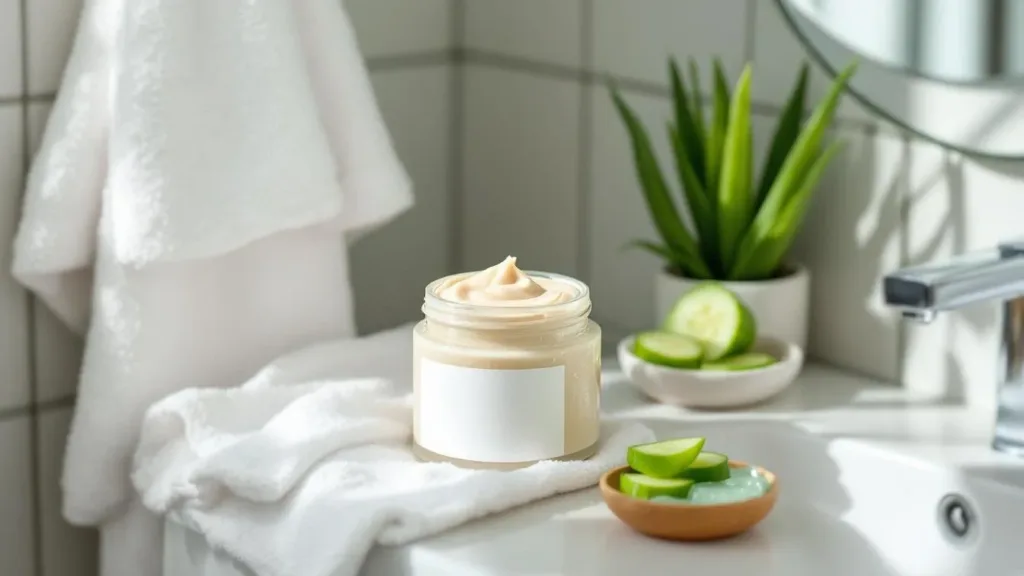
Another frequent misstep is the method of accessing the product from jars or pots. Dermatologists recommend using a clean spatula to avoid introducing bacteria into the cream, which can exacerbate problems like acne or eczema. Many modern moisturisers come in pump bottles, ensuring that contamination is less likely.
Also, it’s crucial to remember that SPF moisturisers, while convenient, are not substitutes for dedicated sunscreen. Dr Jessica Halliley explains that real sun protection requires standalone products, specifically formulated for UV defence. The concentration of active ingredients can vary significantly, and trusting a moisturiser alone may leave skin vulnerable, especially during sunny days. A broad-spectrum sunscreen with an SPF of 30 or higher is recommended for effective protection.
Hydration Beyond Products
Skincare isn’t limited to topical applications; hydration must also come from within. Drinking plenty of water, particularly during warmer months, supports overall skin health and aids in maintaining hydration levels. This internal balance is vital when factors like sun exposure increase the risk of dehydration.
In summary, by recognising these common mistakes and adjusting application techniques, individuals can significantly enhance their skincare routine. The advice of dermatologists serves as an invaluable resource to empower people to take actionable steps towards better skin health — one moisturiser at a time.