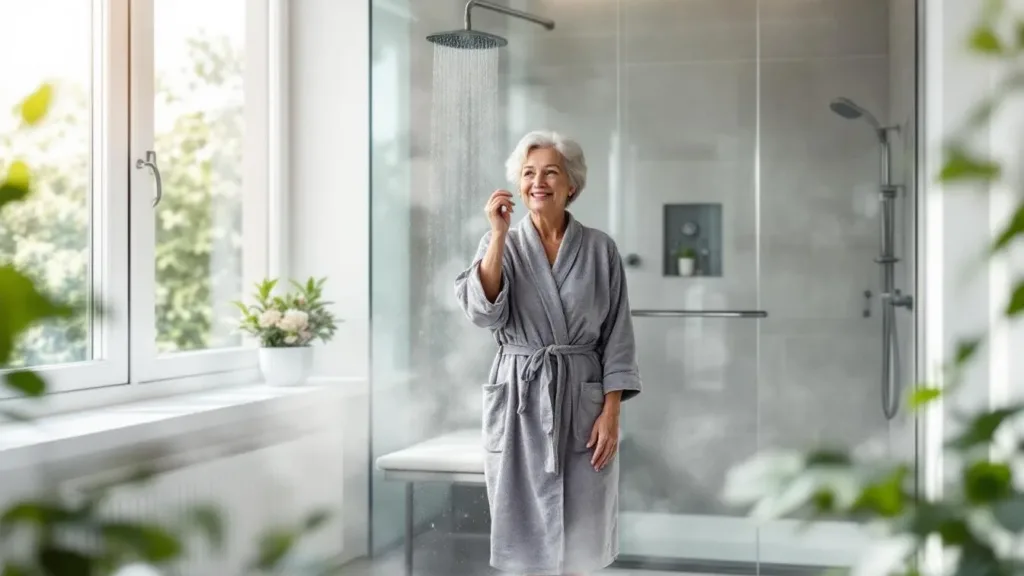

Showering typically forms a fundamental part of daily life, yet the question of how often seniors should shower invites deeper consideration. For elderly individuals, maintaining personal hygiene intertwines with health, skin care, and overall well-being. Surprisingly, bathing every day may not be necessary and can even be counterproductive. Most experts suggest that a regimen of showering every two to three days proves beneficial for seniors. This frequency effectively balances the need for cleanliness while safeguarding skin from the adverse effects of over-bathing, which can lead to dryness, irritation, and even infections.
Dr. Elizabeth Gordon Spratt, a board-certified dermatologist, highlights the significance of adapting shower habits to age and skin sensitivity. With advancing years, skin naturally becomes drier and thinner, making it more susceptible to damage from frequent exposure to hot water and harsh soaps. By opting for a less frequent shower routine, seniors can preserve their natural moisture, thereby alleviating issues related to dry skin while still promoting good hygiene.
Understanding the Importance of Shower Frequency for Seniors
Recognising the unique needs of the elderly is essential when considering shower frequency. Daily hygiene plays a crucial role in enhancing both physical and mental health. Regular bathing eliminates accumulated sweat, bacteria, and environmental pollutants. However, while cleanliness is vital, a less aggressive approach can yield healthier skin and improve comfort.
Why Less Frequent Showers Can be Beneficial
Showering too often can strip the skin of its natural oils, leading to problems such as irritation, increased sensitivity, and exacerbated skin conditions like eczema and psoriasis. For seniors, who often face issues of skin fragility, the repercussions of overwashing can be significant. A shower frequency of two to three days strikes the right balance, ensuring the elimination of dirt without compromising skin health.
Additionally, showering less frequently can benefit emotional well-being. Many seniors may find the showering process physically taxing. By reducing the number of showers, they can conserve energy and create a comfortable routine that promotes dignity and independence.
Best Practices for Elderly Showering
When it comes to showering, seniors should adopt strategies that contribute to their skin health and safety. Here are some effective practices:
- Limit Duration: Keeping showers short, ideally around 5 minutes, helps prevent skin dryness.
- Use Lukewarm Water: Hot water can damage skin; lukewarm is gentler and preserves moisture.
- Gentle Cleansers: Opt for fragrance-free and hydrating soaps to avoid aggravating skin.
- Focus on Key Areas: Clean areas prone to sweat and odor, like armpits and the groin, while rinsing other areas with water.
- Moisturise Afterwards: Apply a moisturiser right after drying off to lock in hydration.
Signs of Showering Too Much or Too Little
Seniors should monitor their skin’s response to their bathing habits. If experiencing dryness, irritation, or itchiness, it might indicate excessive showering. Conversely, signs of insufficient hygiene include body odour, visible dirt, or a feeling of uncleanliness.
Being mindful of the impacts of shower frequency can enhance seniors’ quality of life, balancing hygiene needs with skin health. This tailored approach fosters not only physical well-being but also a sense of dignity as they age gracefully.