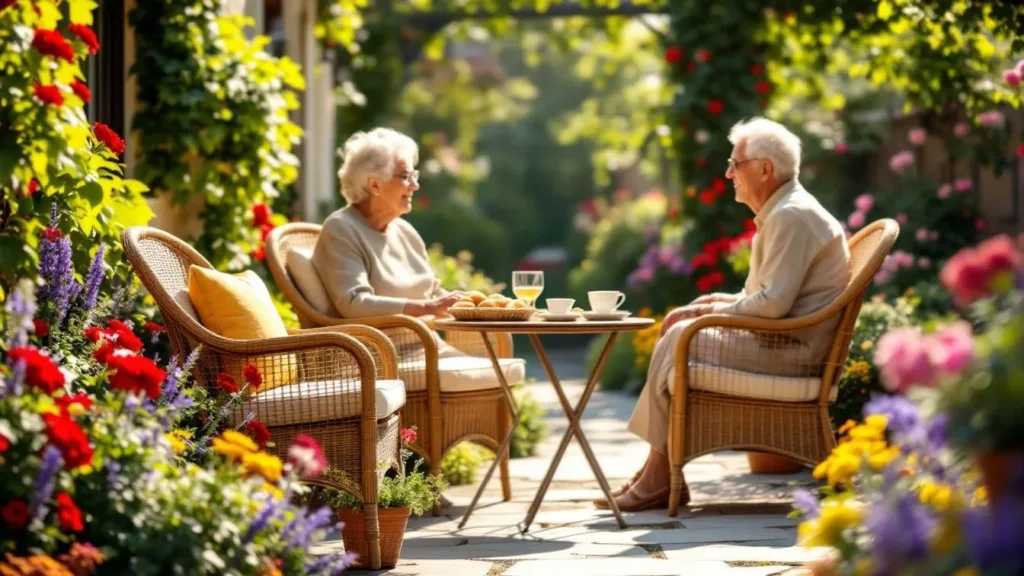

As people transition into retirement, their lifestyle choices often shift significantly; however, the focus remains predominantly on essential aspects like diet and exercise. Surprisingly, recent research led by experts, including geriatricians, highlights that maintaining social interaction after retirement may play an even more critical role in longevity and overall health than what we eat. The mental wellness, emotional connectivity, and physical vitality derived from a rich social life can prolong both lifespan and quality of life.
Data accumulated over years demonstrates that socially active individuals experience lower risks of heart disease, cognitive decline, and mortality rates. Just as regular physical activity can enhance health outcomes, engaging in meaningful social engagement can provide an equally effective cushion against the ailments often associated with aging. In fact, studies suggest that seniors who embrace a vibrant social life may reduce the effects of aging by more than three weeks per year, reversing biological aging in various aspects.
The Surprising Benefits of Social Connection
Strong relationships and regular socialization not only improve mental health by reducing feelings of loneliness and anxiety but also enhance cognitive function. Engaging in conversations, whether casual chats or more involved discussions, stimulates the brain, promoting sharper thinking and lower risks of dementia. In essence, the brain thrives on interaction, much like the body thrives on a balanced diet.
A supportive social network fosters positive habits, often encouraging enhanced physical activity through group activities or simple companionship in exercise. Just as some may opt for diet plans to manage health, building a circle where physical well-being is celebrated can lead to healthier lifestyle choices overall.
Creating a Rich Social Life in Retirement
For retirees looking to cultivate strong social ties, the path may seem daunting; however, it can be filled with opportunities for meaningful engagement. Joining clubs, volunteering, participating in community events, or even learning new skills through classes can enhance one’s social circle. Technology provides wonderful tools for connection; video calls and social media enable interactions with family and friends across distances, creating a sense of belonging even when physically apart.
Moreover, embracing a mindset open to new experiences can yield rewarding connections. Participating in local activities or mixing with diverse groups usually leads to unexpected friendships and shared experiences. Each new social interaction acts as a building block for a robust support system that not only aids in navigating the challenges of aging but also enriches daily life.
The Geriatrician’s Perspective
Geriatricians emphasise that a strong social network is a cornerstone of elderly wellness. Dr. Thomas Cudjoe’s research illustrates how isolation can detrimentally impact health outcomes, leading to functional limitations and emotional distress. The human need for social connections is profound; we thrive in environments where we share laughter, experiences, and emotional support.
As society moves towards an increasingly digital world, it’s essential to balance technology with face-to-face interactions. The challenge lies in fostering environments that keep seniors engaged within their communities, thus combating the effects of social isolation. Engaging actively with friends and family acts as a buffer against life’s stresses, promoting longevity and better health.
The evidence is clear and compelling; a fulfilling social life after retirement can create a foundation for robust health outcomes and extend life expectancy. By prioritising social connections alongside more traditional health parameters, retirees can enhance their quality of life significantly. Building and nurturing these relationships may be one of the simplest yet most powerful strategies for healthy aging.