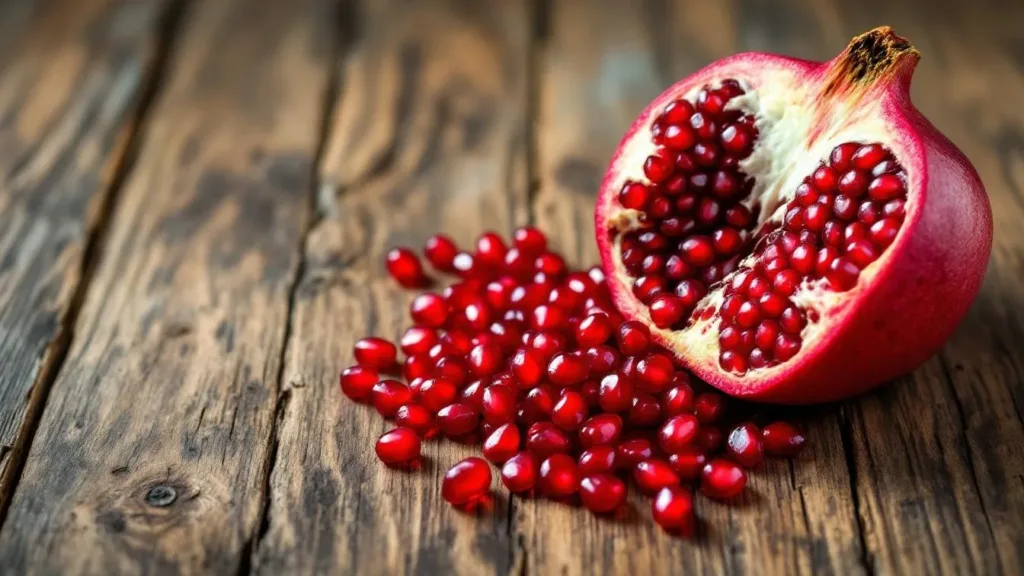
Pomegranate seeds, often seen as simple garnishes, are actually a powerhouse of nutrition, packed with fiber, antioxidants, and essential vitamins. As interest in healthy eating grows, these ruby-red jewels deserve a spotlight for their numerous health benefits. With the influx of pomegranates available in stores this winter, it’s the perfect time to explore the many ways to enjoy these seeds, both for taste and nutrition. Not only are the arils—the juicy coverings of each seed—edible, but they also deliver a satisfying crunch combined with a burst of sweet-tart flavor. The seeds have a long history of culinary use, dating back thousands of years, particularly in Mediterranean and Middle Eastern cuisines where they add not just taste, but also vibrant colour and nutritional value to various meals.
Many people wonder about the safety of consuming these seeds, questioning if they should spit them out or embrace them as a nutritious component of their diet. For most individuals, the complete aril, inclusive of the seed, is entirely edible. Each 100-gram serving of these seeds not only contributes around 80 calories but also provides important nutrients like potassium and folate, making them a smart addition to meals. As they become more readily available, understanding their nutritional profile and the best ways to integrate them into everyday dishes becomes increasingly beneficial.
The Nutritional Profile: What Pomegranate Seeds Offer
Every bite of pomegranate seeds brings forth a unique combination of nutrition. The seeds contain a wealth of plant compounds, including polyphenols like anthocyanins, which are known for their anti-inflammatory properties. This makes them particularly valuable in supporting digestive health. Additionally, they provide both soluble and insoluble fiber, crucial for maintaining healthy digestion and enhancing feelings of fullness. Incorporating a half cup of pomegranate seeds into daily meals can effortlessly boost the dietary fiber intake, which is essential for overall gut health.
Heart Health and Antioxidants
Research consistently highlights the link between pomegranate seeds and heart health. Their high antioxidant content helps reduce oxidative stress, potentially aiding in lowering blood pressure and cholesterol levels. Thanks to regular consumption, studies suggest that these seeds may contribute to better cardiovascular function. However, it’s important to note that while enjoyable, they should ideally complement a balanced diet rather than serve as a sole remedy for health issues.
Incorporating Pomegranate Seeds into Your Diet
Adding pomegranate seeds to meals can be both simple and delightful. They function wonderfully in a variety of dishes, from salads to desserts, enhancing texture and flavor. Here are some effortless ways to enjoy them:
- Breakfast Bowls: Sprinkle over yogurt or oatmeal for a vibrant start to your day.
- Salads: Mix with leafy greens, nuts, and cheese for a refreshing crunch.
- Main Dishes: Use as a garnish for roasted meats to provide a sweet contrast.
- Desserts: Add to ice creams or cakes for a colorful visual and a zesty note.
This winter, as pomegranates reach peak season, experiment with their versatility across various meals. Starting with smaller portions can ease the digestive transition for those new to high-fiber foods, and pairing them with plenty of water ensures optimal digestion.
When to Be Cautious
Despite their numerous benefits, pomegranate seeds may not suit everyone. Some individuals might experience allergic reactions, while others may find the high fiber content can lead to digestive discomfort. If any adverse effects occur, it’s advisable to seek medical advice and tailor dietary choices accordingly. For those on certain medications, especially related to cardiovascular health, consult a healthcare professional before significantly increasing pomegranate consumption.