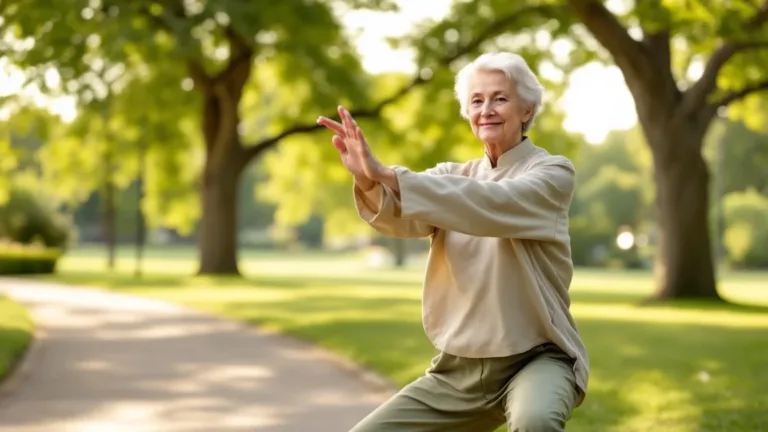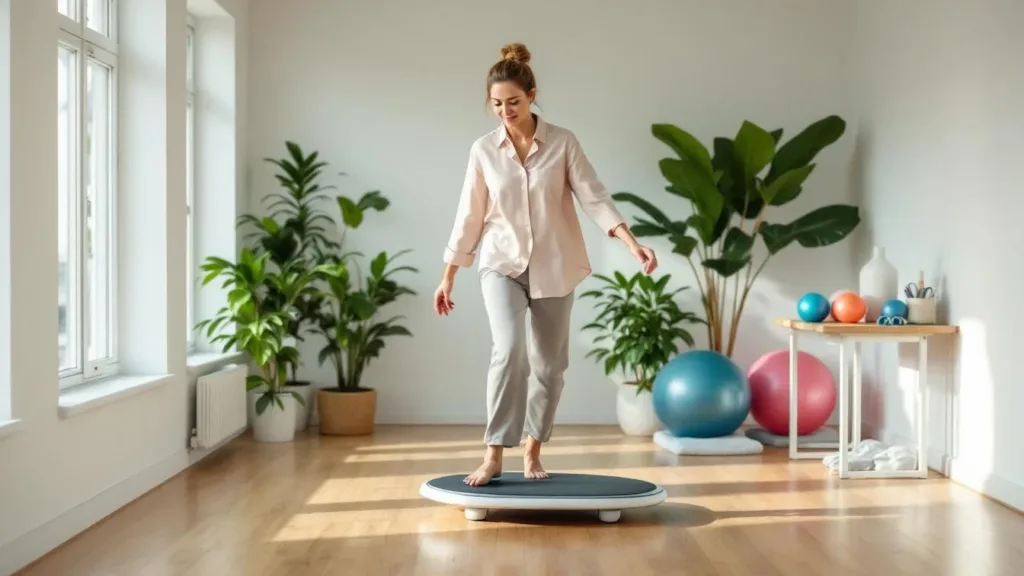
Many people underestimate the power of walking at a slower pace. However, a physical therapist’s insights reveal that this simple adjustment can lead to significant improvements in balance and posture correction. As we age, maintaining mobility and stability becomes crucial for preventing falls and injuries. By adjusting the speed of one’s walk, individuals can enhance their gait analysis, leading to better muscle strength and overall well-being. Moreover, walking slower allows for greater awareness of body alignment, which is vital for effective rehabilitation. This approach not only promotes physical health but also fosters confidence in mobility.
Enhancing Balance Through Slower Walking
Walking at a slower speed may seem counterintuitive when looking to enhance speed and endurance. Yet, this method allows individuals to process their movements more deliberately, leading to a heightened sense of balance. When walking slower, one can focus on maintaining a stable posture, which is essential for preventing trips and falls. Physiotherapists advocate for this technique as it engages the core and lower body muscles more effectively, improving overall coordination.
The Importance of Body Awareness
When the pace of walking is reduced, the opportunity for self-reflection on body mechanics arises. Slower movement fosters greater body alignment awareness, allowing individuals to feel shifts in their weight distribution and adjust accordingly. This can be particularly beneficial for older adults or those recovering from injury, as it encourages a more mindful approach to movement. Such awareness can also aid in fall prevention, as individuals become attuned to their physical limitations and capabilities.
Strategies for Incorporating Slow Walking into Daily Routine
Integrating slow walking into everyday life can be a straightforward yet transformative practice. Consider the following strategies to embrace this new mindset:
- Set aside dedicated time for short, slow-paced walks, focusing on your surroundings.
- Use guided walking sessions with instructions to promote body alignment and steadiness.
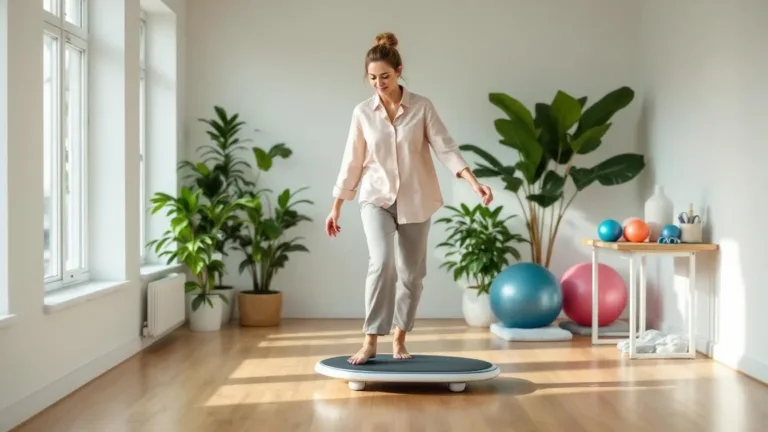
- Incorporate balance exercises during walks, such as heel-to-toe steps, to enhance stability.
Rehabilitation Benefits of Slow Walking
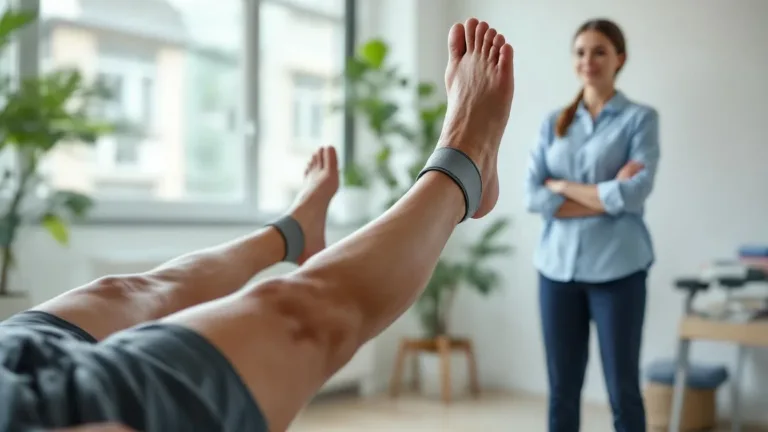
For individuals undergoing physical therapy, slow walking presents an opportunity for gradual rehabilitation. Experts suggest that beginning with lower intensity allows clients to build strength without overexerting themselves. This method also provides a platform to integrate various rehabilitation exercises seamlessly, making the process more efficient and enjoyable.
As the rhythm of modern life often pushes individuals to prioritize speed and efficiency, embracing a slower walking pace could redefine one’s understanding of mobility and balance. By fostering a gentle, mindful approach to such a basic activity, significant health benefits can be obtained, enhancing both physical capabilities and overall quality of life.