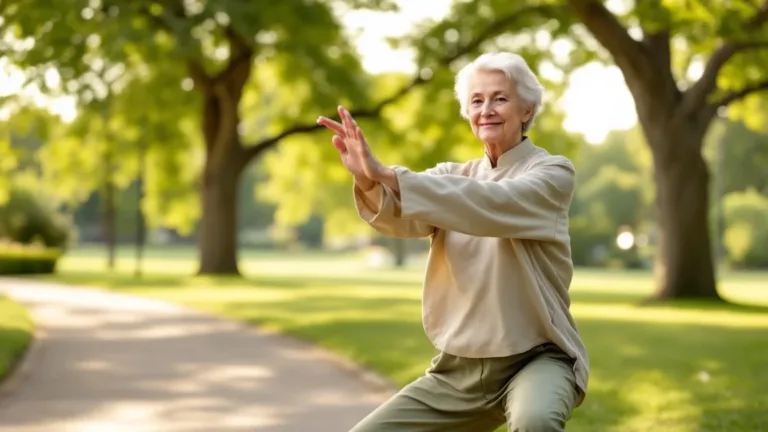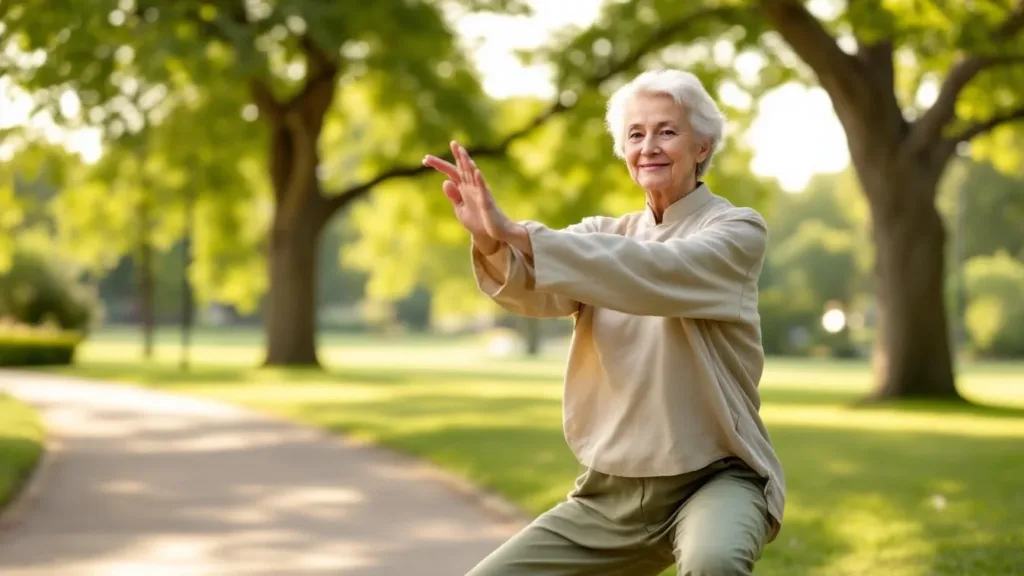
As people age, joint pain often becomes a daily hurdle, significantly impacting mobility and overall quality of life. Traditional recommendations for managing this discomfort typically include light exercises like swimming and Pilates. However, there is a lesser-known yet highly effective alternative gaining traction among healthcare professionals: yoga. This ancient practice stands out as a gentle exercise that not only nurtures the joints but also enhances overall well-being for seniors.
Yoga isn’t about achieving complex poses or extreme flexibility. Instead, it focuses on slow, mindful movements that adjust to the individual’s ability. Adapted forms of yoga, designed specifically for those with limited mobility or chronic pain, emphasize deep breathing, balance, and stability. Such elements make it a fantastic choice for seniors seeking joint-friendly fitness routines that cater to their needs.
The Hidden Benefits of Yoga for Seniors
While the primary goal of yoga might be to increase flexibility, its benefits extend far beyond. Regular practice can significantly improve sleep quality, enhance balance, and even reduce the reliance on medication. For older adults, who often face the risk of falls, these aspects are particularly crucial. Many retirement communities and wellness centres are beginning to recognise yoga as an essential component of senior fitness, integrating it into their programmes.
Additionally, studies led by reputable organisations, including the National Institute on Aging, have started highlighting yoga as a vital practice for what experts term “healthy aging.” By promoting both emotional resilience and physical health, yoga serves as a gateway for seniors to reclaim control over their bodies, fostering a sense of empowerment that often diminishes with age.
How Yoga Supports Joint Health and Mobility
One of the distinctive advantages of yoga lies in its ability to strengthen the muscles that support the joints, alleviating pain and promoting better stability. Regular practice aids in maintaining an optimal weight, thereby reducing unnecessary strain on vulnerable areas such as hips, knees, and ankles. Beyond physical health, yoga also improves circulation, providing essential nourishment for tissues and speeding up healing processes in cases of inflammation.
The emotional uplift that yoga brings cannot be understated. Engaging in this practice helps seniors rediscover their confidence, allowing them to partake more fully in daily activities. Over time, many individuals notice significant improvements in their overall mood and outlook, which enhances their quality of life.
Getting Started: Simple Yoga Poses for Seniors
For those looking to ease into yoga, here are three gentle exercises thoughtfully selected for their accessibility:
- Seated forward bend: While seated upright, lean forward gradually to rest your torso on a cushion or chair. This movement gently stretches the back without causing strain.
- Seated spinal twist: With legs bent at right angles, twist the torso gently while using the back of a chair for support. This exercise activates the abdominal muscles, alleviating lower back tension.
- Modified downward dog: Position hands on a chair, elongate the spine, and press heels towards the ground. This engages the entire body, simultaneously strengthening the arms and legs while relaxing the neck.
It is crucial for individuals with specific health concerns, such as herniated discs or sciatica, to consult with a healthcare provider before beginning any new exercise regimen.
In essence, as individuals navigate the challenges of aging, incorporating yoga into their routines presents a promising path toward enhanced health and vitality. Whether to relieve joint discomfort or boost overall mobility, this practice could be the key to a more fulfilling, active lifestyle for seniors. For anyone struggling with stiffness or pain, embracing yoga might just provide the gentle solution worth exploring.