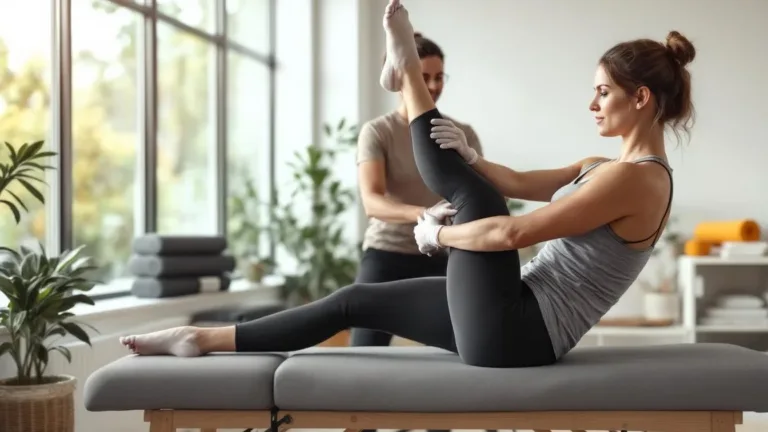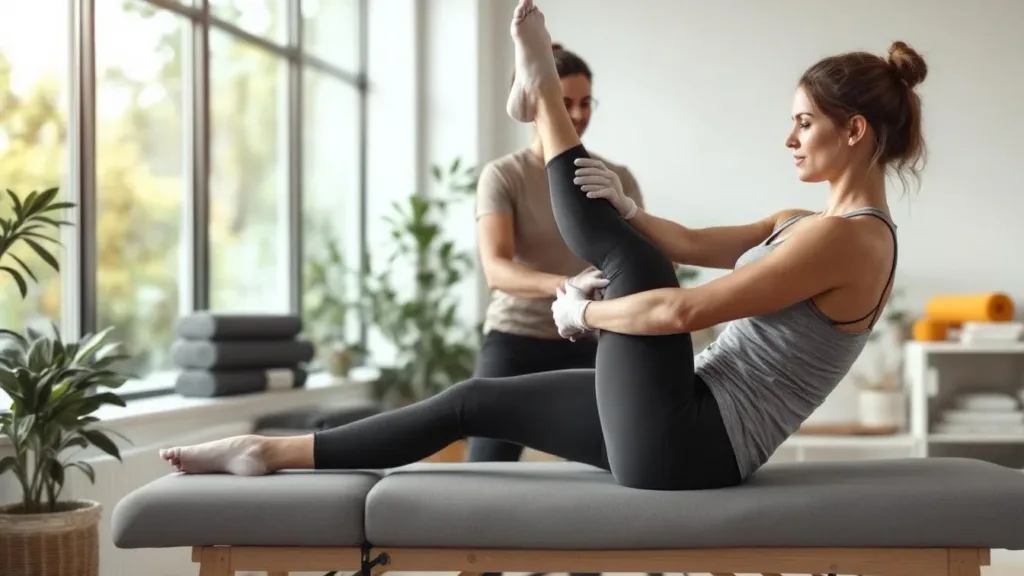
Sitting for prolonged periods can lead to significant hip flexor tightness, impacting overall mobility. As remote work becomes more prevalent, understanding how to combat the discomfort from sitting is essential. A physical therapist’s expertise can guide individuals through an effective stretching routine aimed specifically at relieving this issue. Such tightness can restrict movement, increase injury risks, and even affect daily activities like walking or exercising. Investing time in stretching not only promotes mobility but also enhances flexibility and functional strength, essential for maintaining an active lifestyle.
With targeted exercises that focus on the hip flexors, glutes, and surrounding muscle groups, individuals can find significant relief. These movements can be effortlessly integrated into existing routines, requiring minimal time and space, making them accessible for everyone. Improving muscle relief through regular practice provides solutions to the discomfort stemming from modern sedentary habits. As many seek effective strategies for rehabilitation, a precise understanding of the mechanics involved can empower anyone to take control of their body and enhance their daily movement.
The Importance of Hip Flexor Mobility
The hip flexors play a critical role in nearly every activity, from walking to more dynamic movements. Tight hip flexors can hinder performance and lead to issues such as lower back pain or mismatched gait patterns. When seated, hip flexors naturally contract, causing stiffness over time. By integrating stretches into one’s daily routine, it becomes possible to mitigate the effects of prolonged sitting. This awareness is not only crucial for athletes but also for anyone looking to maintain all-around well-being.
Effective Hip Flexor Stretches
Incorporating a variety of stretches can yield comprehensive benefits. Here are some recommended exercises that a physical therapist may advise:
- Clamshells: Targeting the glutes, this exercise enhances hip stability.
- Lunges: A fundamental movement for deep stretching of the hip flexors.
- Side Lunges: This variation promotes lateral flexibility.
- Standing Hip Extension: Engaging the hip joints effectively while standing helps maintain balance.
Each of these stretches contributes uniquely to enhancing flexibility and strength in the hip area. By practicing these movements regularly, individuals can notice improvements in their overall movement patterns, providing much-needed relief.
Establishing a Routine
Creating a stretching routine that emphasizes hip flexor mobility can significantly alter one’s physical health. Setting aside a few minutes daily to engage in these exercises can foster better habits and improve posture. While it may feel uncomfortable initially, consistency paves the way for adaptability and ease in movement.
Listening to Your Body
As individuals embark on their journey to relieve hip tightness, it’s essential to pay attention to bodily signals. Each stretch should be performed slowly and intentionally, promoting a sense of awareness. If pain occurs, adjustments may be necessary, whether through modification of movements or consulting a professional. Embracing this sensitivity can enhance rehabilitation efforts and contribute to overall well-being.