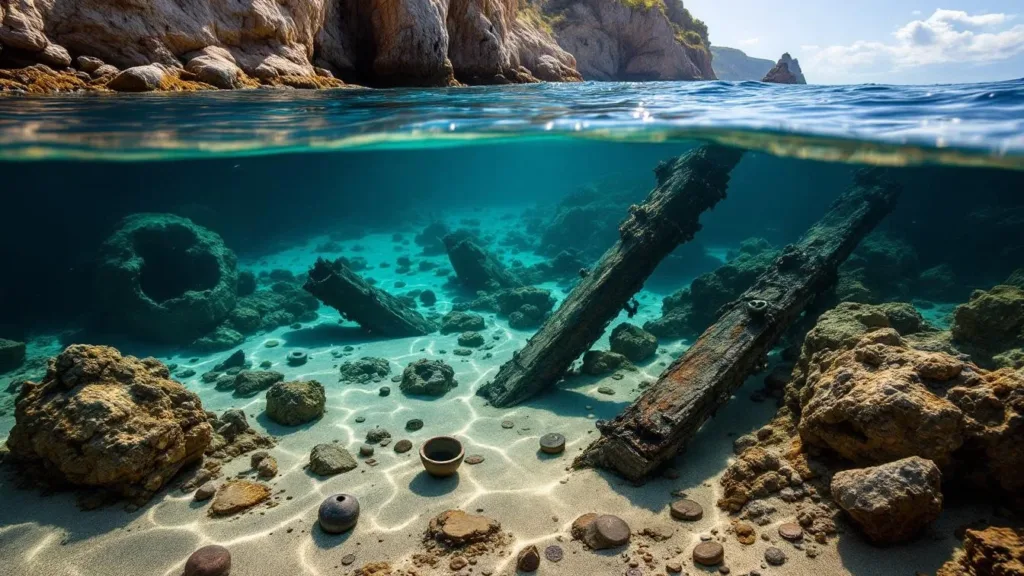
The rich tapestry of the UK’s maritime landscape holds secrets far beyond the surface. As climate change accelerates coastal erosion, the UK’s coastal waters are becoming a treasure trove for archaeological finds, often surpassing those discovered inland. The historic context of these sites is crucial; many were once dry land thousands of years ago, home to vibrant communities now submerged beneath rising sea levels. This intricate interplay of land and water not only offers insights into ancient lifestyles but also challenges current perceptions of inland vs coastal archaeology.
The narrative of human history along the UK’s coastlines is complex. Geological shifts have transformed what were once interconnected landmasses into isolated shorelines, leading to the exquisite preservation of historic artifacts. Sites like Happisburgh have unveiled marine preservation that reveals the earliest inhabitants; striking evidence, including ancient footprints estimated to be between 800,000 and 1 million years old, highlight the extraordinary potential of coastal archaeological research.
The Impact of Coastal Erosion on Archaeology
Coastal erosion is often viewed through the lens of danger, threatening homes and livelihoods, but it also serves as a natural excavator, revealing invaluable insights into our past. The actions of the tide and severe weather conditions can expose previously hidden treasures, making underwater archaeology an essential field of study. Sites like Bouldnor Cliff on the Isle of Wight, once above water, now lie beneath the waves, offering a glimpse into the existence of Mesolithic communities. Tools and evidence of early agriculture found in this submerged landscape challenge previously held narratives about the timing and development of farming in the UK.
Noteworthy Discoveries Revealed by Erosion
Several remarkable finds illustrate the wealth of history hidden beneath the waves:
- Happisburgh, Norfolk: Unearthed human footprints signal habitation nearly a million years ago.
- Bouldnor Cliff, Isle of Wight: Mesolithic flint tools and early evidence of agriculture highlight advanced prehistoric communities.
- Seahenge, Norfolk: A mysterious timber circle dating back to 2049 BC suggests spiritual significance connected to ancient burial rituals.
- Kilmsea Warren: An array of artefacts points to a landscape once thriving with life, now at risk from rapid erosion.
Such discoveries firmly establish the UK coastal waters as a crucial frontier for understanding human history—a segment of our story that contrasts sharply with remaining inland sites. The varied findings from coastal excavations underscore the need for robust measures and interests in maritime history and submerged settlements. With a focus on protection, further investigation can aid in uncovering more historic artifacts, enhancing our collective understanding of human development.
The Role of Community in Preserving Coastal Heritage
Community involvement is pivotal in safeguarding and documenting the stunning array of archaeological treasures exposed by coastal erosion. Organisations like the Nautical Archaeology Society actively encourage local populations to participate in historic preservation efforts. Citizens can contribute to recording finds and participating in surveys, creating a deeper connection to their heritage.
The synergy of natural forces and communal efforts reveals that while coastal erosion poses significant threats, it simultaneously creates unique opportunities for archaeological exploration and discovery. The UK’s coastal waters are a vibrant testament to human resilience and adaptation, calling for collective responsibility in ensuring these treasures are documented, preserved, and respected—another chapter in the ever-evolving narrative of our maritime past.