As the population ages, many adults over 60 have embraced daily long walks, believing this simple activity is the best path to health. Yet, recent insights from fitness experts suggest a more nuanced view is needed. While walking is undeniably beneficial, relying solely on long sessions—especially on hard surfaces—may not enhance strength, balance, or overall independence as intended. Instead, incorporating a diverse movement strategy can yield better physical results and greater enjoyment. The shift involves blending walking with targeted strength and mobility exercises, addressing the unique health needs of seniors and ensuring their comfort and longevity.
Why Rethinking the Long Walk Matters for Seniors
Long, uninterrupted walks have often been hailed as an easy method to achieve cardiovascular health for older adults. However, a growing body of evidence indicates potential pitfalls. Repetitive movement on hard surfaces can lead to increased stress on aging joints, like knees and ankles, potentially exacerbating discomfort without delivering essential balance or strength benefits. The paradox emerges: while more walking is often seen as positive, it can lead to increased pain and decreased mobility if not balanced with targeted exercises.
Movement Patterns that Enhance Health and Mobility
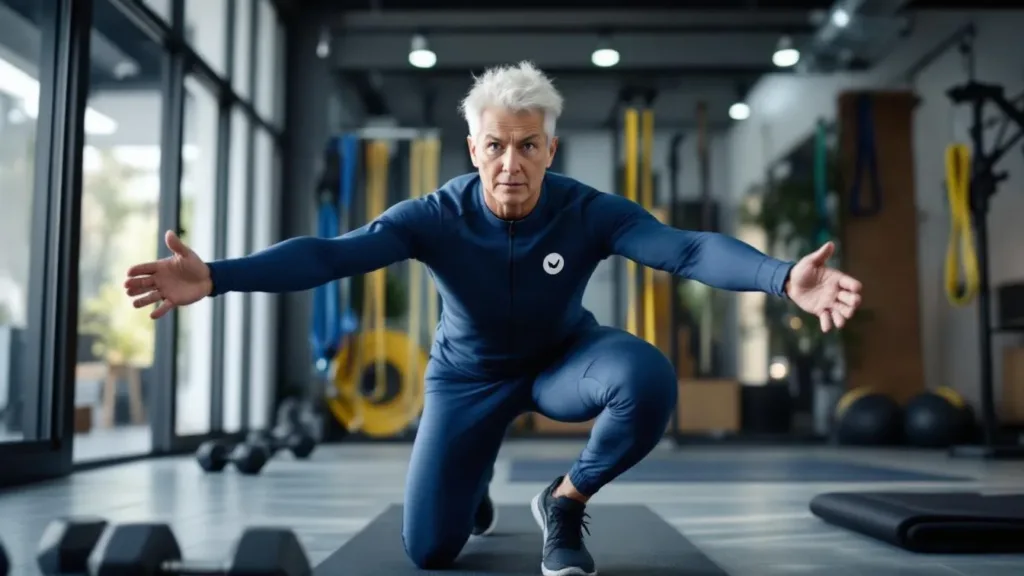
To optimize health for older adults, it’s vital to move beyond traditional walking routines. Experts suggest a mixed approach that incorporates cardio, strength training, and mobility work, encapsulating all aspects of physical wellbeing. For seniors, this means engaging in shorter walking sessions interspersed with strength-building activities. Emphasizing multifaceted movement patterns helps improve not only endurance and cardiovascular health but also muscle mass, which is crucial for preventing falls and injuries.
Practical Strategies and Exercises
Implementing this new perspective can start with practical adjustments. Rather than committing to one lengthy walk each day, seniors should consider splitting their walking into three 15-minute sessions spread throughout the day. This method reduces repetitive strain on joints while still providing cardiovascular benefits. Pair these walking sessions with strength training—using resistance bands or light weights—two to three times weekly to fortify muscle strength and encourage joint stability.
The Role of Recovery in an Effective Routine
Incorporating mobility and recovery practices into the weekly schedule is equally important. Adding brief mobility drills before and after walks can enhance joint range of motion and mitigate stiffness, a common issue for seniors. Activities like gentle stretching, hip circles, and ankle mobility exercises can be seamlessly integrated into the day. Monitoring pain signals and allowing for rest days will further ensure a sustainable and effective routine.
Prioritize Comfort and Safety with the Right Gear
Footwear plays a pivotal role in facilitating a balanced exercise routine. Wearing shoes that provide ample cushioning and support can make walking and exercising more enjoyable while reducing the risk of injuries. Brands such as Skechers, New Balance, and Brooks offer options designed specifically for enhanced comfort and stability, allowing seniors to feel confident in their movement.
Embrace a Personalised Approach to Fitness
Ultimately, achieving optimal health as a senior involves recognizing that a singular focus on long walks may not yield the best results. By embracing a balanced approach that incorporates various movement patterns, individuals can significantly enhance their overall quality of life. Establishing a personal fitness routine centered on the principles of strength, endurance, balance, and mobility will empower seniors to remain active and independent for years to come.