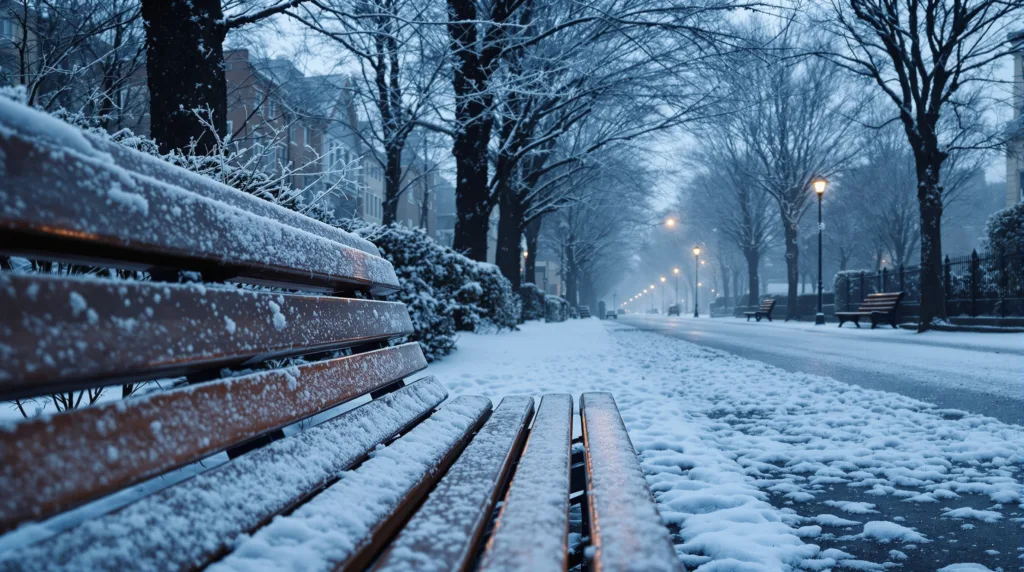
As the serrated edges of winter bite into the new year, many individuals find themselves grappling with heightened levels of anxiety. This phenomenon, often peaking in January rather than December, can be attributed to a blend of psychological and environmental factors. After the festive celebrations of December, a palpable shift occurs; the glittering lights and social gatherings fade into a stark winter landscape that can feel isolating. Many experience what psychologists term “winter anxiety,” a condition exacerbated by the cold weather, decreased sunlight, and the lingering stress from the holiday season. This article delves into the reasons behind January’s surge in anxiety and offers practical strategies to navigate this challenging time.
Understanding the Seasonal Shift: Why January Triggers Anxiety
January marks a profound transition. While December is often filled with social engagements tied to the holidays, the subsequent month can feel desolate. Many return to work after a break, facing the pressures of new resolutions, financial burdens, and the aftermath of holiday stress. The abrupt change from festive cheer to daily routines can evoke feelings of unease. Seasonal affective disorder (SAD), a type of depression brought on by seasonal changes, also contributes to these feelings, as reduced sunlight diminishes serotonin production, a key neurotransmitter for mood regulation.
The Role of Circadian Rhythms in January’s Anxiety
Our bodies thrive on circadian rhythms, the natural cycles that regulate sleep and wakefulness. In winter, shorter days disrupt these rhythms, often leading to poor sleep quality. Fatigue can heighten anxiety, making it harder to cope with daily stressors. The isolation that often accompanies cold weather further exacerbates feelings of loneliness, as many retreat indoors, seeking warmth away from the harsh elements. Recognizing these patterns is key to managing anxiety effectively during January’s bleakness.
Battling Holiday Stress: The Lingering Effects
The jubilation of December often conceals the underlying pressures of holiday stress. Financial strain, family dynamics, and the expectation to maintain a joyful facade can leave emotional scars that bleed into January. As the confetti settles, individuals may feel the weight of these unresolved issues, intensifying feelings of dread and anxiety. It’s crucial to confront these lingering effects, as acknowledging and addressing them can aid in mental recovery.
Strategies for Managing Winter Anxiety
Turning attention toward practical solutions can alleviate that January anxiety. First, incorporating light therapy can help mimic natural sunlight, potentially boosting serotonin levels and improving overall mood. Engaging in regular physical activity is another critical aspect; even brief indoor workouts can elevate endorphin levels and provide a sense of accomplishment. Additionally, establishing a consistent routine that includes mindfulness practices, such as meditation, can foster a sense of control during this time of year.
The Importance of Social Connections in Winter
Despite the propensity to withdraw during winter months, maintaining social connections is vital for mental health. Scheduling regular check-ins with friends or engaging in virtual gatherings can combat feelings of loneliness. The simple act of sharing experiences, even in a digital format, can significantly uplift spirits and mitigate anxiety. Support groups or therapy, tailored to address winter-related challenges, can serve as invaluable resources during this cold spell.
Seeking Professional Support
When anxiety becomes overwhelming, seeking professional help is essential. Consider consulting with psychologists who specialise in cognitive-behavioural therapy (CBT) or mindfulness strategies specifically designed for winter anxiety. A professional can help tailor a mental health plan that includes coping mechanisms and strategies to navigate the winter months more effectively.