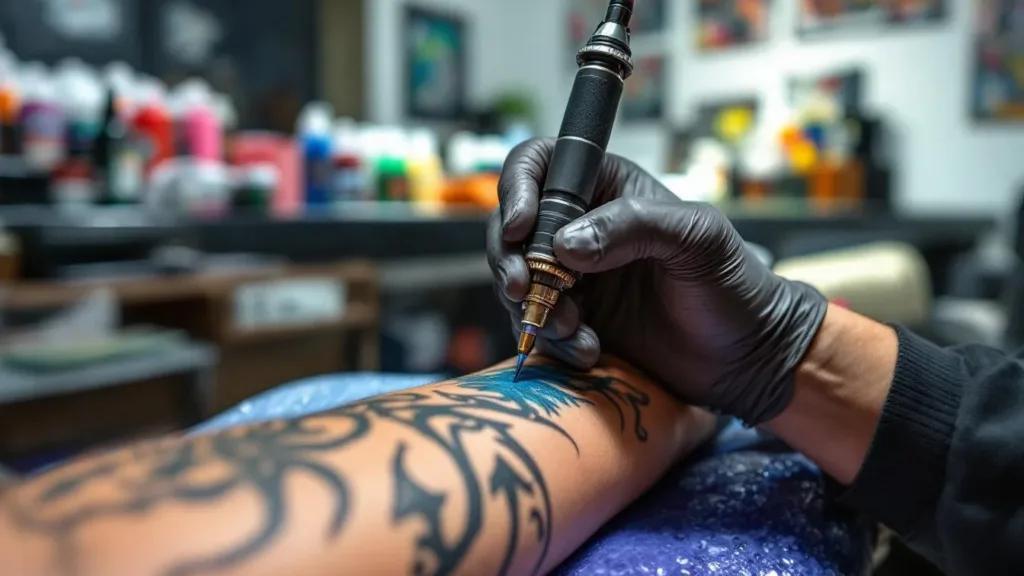
Many individuals enter a tattoo studio brimming with excitement, envisioning their new ink as a permanent fixture of their identity. However, a harsh truth often emerges: over time, tattoos can fade significantly, leaving vibrant designs looking lacklustre. This phenomenon raises important questions about the science behind tattoo longevity and the art of tattoo care. Factors such as skin regeneration, sun exposure, and the quality of ink pigments all play critical roles in the lives of these cherished pieces of body art. Understanding these elements not only helps preserve the beauty of a tattoo but also enriches the experience of self-expression that accompanies each design.
Understanding the Illusion of Tattoo Permanence
The concept of permanence in tattoos is often misunderstood. While the ink is infused into the skin, it faces a constant struggle against biological and environmental forces. The skin itself undergoes continuous changes; it ages, sheds, and regenerates, which can lead to gradual ink fading. Even with careful consideration of placement and technique, fading remains a natural outcome of the dynamic relationship between ink and skin.
Why Tattoos Fade: The Biological Factors
Tattoo pigments reside in the dermis, the second layer of skin, which ideally protects the ink from the constant cellular turnover occurring in the outer layer. However, this process is not without its pitfalls. As the skin naturally sheds approximately every 28 days, microscopic pigment particles can migrate to the surface. Some of these pigments may even be absorbed and broken down by immune cells known as macrophages, causing the tattoo to lose its colour gradually.
The Role of Sun Exposure in Ink Lifespan
Aside from biological factors, environmental elements like UV rays play a significant role in tattoo fading. Exposure to sunlight can degrade the chemical bonds within the ink, causing it to lose vibrancy quickly. Darker inks, such as blacks and deep blues, tend to withstand sun exposure better than lighter shades, which can fade dramatically. This highlights the importance of sun protection, particularly for those who cherish their tattoos as enduring art.
Quality Matters: The Ink Ingredient Debate
The quality of tattoo ink affects its longevity. Professional-grade inks generally contain stable pigments designed to resist fading over time. In contrast, lower-quality inks may break down much sooner. For instance, while black ink is renowned for its longevity, colours like yellow and white are notoriously prone to fading within just a few years. When choosing a tattoo artist, one should consider their use of quality materials as a crucial factor in the tattoo’s future.
Placement and Technique as Factors in Tattoo Lifespan
The placement of a tattoo can significantly influence its lifespan. Areas of the body subjected to more movement or friction, such as hands and feet, tend to see quicker fading. Conversely, tattoos placed on the upper arms or shoulders often enjoy greater longevity due to reduced wear-and-tear. Additionally, the technique employed by the tattoo artist matters immensely; striking the perfect balance between depth and application ensures that the ink remains embedded within the skin while minimizing the risk of premature fading.
Strategies for Maintaining Tattoo Vibrancy
While it’s impossible to halt the natural aging process, there are effective strategies one can adopt to preserve the vibrancy of tattoos:
- Aftercare is Essential: Proper care in the weeks following the tattoo is vital. Gentle washing and moisturising can prevent premature fading.
- Sunscreen as a Shield: Protecting tattoos from UV exposure is crucial. Regularly applying broad-spectrum sunscreen can dramatically extend the life of the ink.
- Healthy Skin Equals Happy Ink: Hydrated and well-cared-for skin supports the tattoo’s appearance. Using quality moisturisers can contribute to both skin health and tattoo vibrancy.
- Touch-Ups are Normal: Accepting that occasional touch-ups are part of the journey can help maintain the integrity of the tattoo over time.
Understanding the multifaceted reasons behind tattoo fading invites tattoo enthusiasts to take proactive measures in caring for their ink. While the allure of instant beauty is undeniable, the mindful preservation of these personal artworks can make all the difference, ensuring their stories remain vivid for years to come.