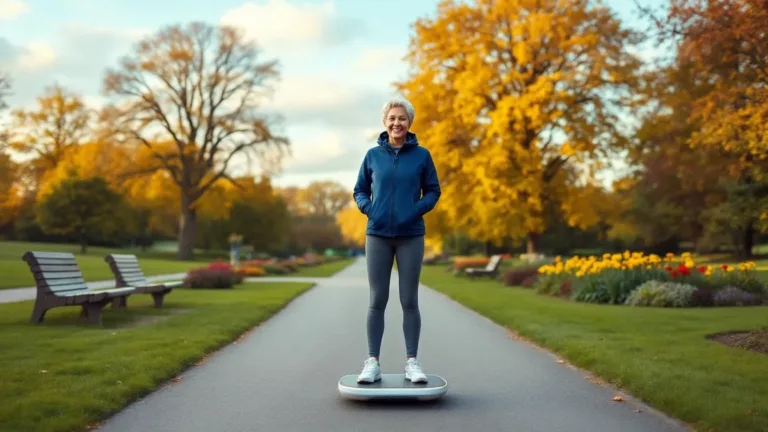
As the years pass, many grapple with the reality that muscle aging seems an inevitable part of life. However, a fitness expert has unveiled insights suggesting otherwise. It’s not merely a question of age, but rather how one approaches fitness and muscle health that can determine the longevity of strength and vitality. Scientific studies indicate that the traditional narrative of *muscle aging* being an unavoidable fate can be rewritten with the implementation of *simple movements* and consistent *strength training*. These strategies don’t just combat the decline; they actively promote muscle maintenance and enhance overall well-being. From elevating metabolic rates and improving energy levels to significantly reducing the risks of injuries and chronic illnesses, engaging in regular physical exercise proves crucial for *aging prevention* and underscores the importance of *healthy aging*.
Understanding Muscle Aging and Its Implications
The process of muscle aging begins subtly, often unnoticed until the cumulative effects become more pronounced. Research suggests that adults typically lose around 1% of muscle mass annually after the age of 30, with the decline accelerating post-60. This phenomenon, known as *sarcopenia*, can lead to frailty, decreased mobility, and ultimately impact independence. However, the consensus among experts is clear: this decline is not an absolute certainty. By engaging in *strength training* and incorporating specific movements into daily routines, individuals can significantly alter this trajectory.
Key Movements to Combat Muscle Decline
Specific exercises can effectively counteract the effects of muscle aging. Focusing on strength training that includes bodyweight exercises, light weights, or resistance bands can yield impressive results. Movements such as squats, lunges, and push-ups not only enhance muscle strength but also improve functional ability, making everyday tasks easier. The appeal of these exercises lies in their adaptability; they can be performed at home or in a gym setting, meeting various fitness levels and preferences.
The Science Behind Strength Training and Aging
Engaging in regular *strength training* activates pathways that encourage muscle growth and help stave off the effects of aging. Research supports that even modest resistance training can significantly bolster muscle health, improve cognitive function, and contribute to better metabolic rates. The physiological benefits extend beyond muscle health; enhanced strength improves balance and coordination, drastically reducing the risk of falls and related injuries in older adults.
Incorporating Movement into Daily Life
Incorporating simple movements into daily routines can feel daunting, but it’s essential. A schedule that includes just an hour a week dedicated to strength training can make a world of difference—lowering the risk of heart disease by nearly 19%, enhancing mood, and promoting overall vitality. For individuals looking for practical *anti-aging tips*, integrating walking or light resistance workouts can lay the groundwork for a more resilient physique.
Final Insights on Muscle Health and Aging
Ultimately, muscle aging does not have to be a predetermined fate but rather an aspect of life that can be actively managed and improved. The emphasis on empowering movements and making fitness a consistent part of daily existence reinforces the notion that age is merely a number. By adopting these simple yet effective routines under the guidance of a *fitness expert*, individuals can embrace a stronger, healthier life regardless of age.