As the New Year unfolds, the NHS faces an alarming spike in appointment scams, with January emerging as a hotspot for fraudsters. With many individuals seeking immediate medical attention post-holiday, scammers are quick to exploit the heightened anxiety around NHS waiting times and accessibility. These fraudsters resort to a range of devious tactics, from impersonating healthcare professionals to setting up fake appointments that can jeopardise personal data and financial security. With over £101 million lost to healthcare fraud in the past five years alone, vigilance is more crucial than ever. Understanding how these scams operate and learning to navigate them can protect both patients and the wider healthcare system.
The Rise of Healthcare Fraud in January
In January, the surge in NHS appointment scams is largely due to the combination of post-holiday demand and the public’s desperation for timely healthcare. The awareness of long waiting times creates a perfect storm for phishing attempts, as victims may overlook signs of deceit in their fervour to secure an appointment. Scammers often pose as NHS staff, utilising convincing tactics over phone calls or emails, urging individuals to provide sensitive information.
How Scammers Operate
Fraudsters employ various strategies to lure potential victims. Here are a few common methods:
- Impersonation: Scammers may pose as GP practice staff, claiming to offer early appointments in exchange for personal information or even payment.
- Phishing Emails: Fake emails that appear legitimate but aim to collect personal information.
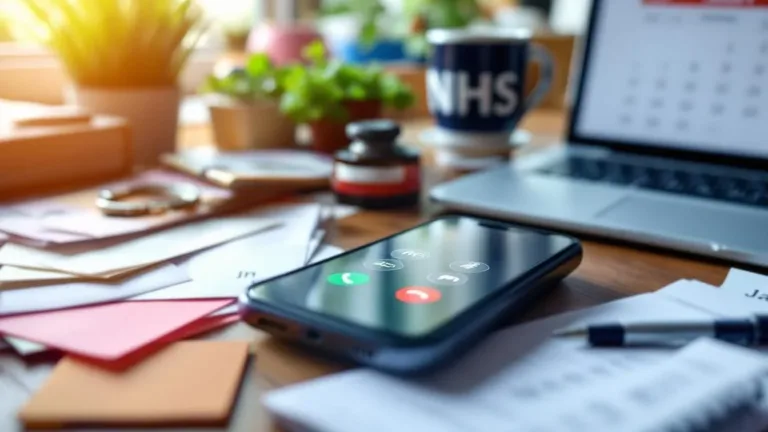
- Robocalls: Automated messages mimicking NHS services, which ask recipients to confirm sensitive details.
Spotting the Signs of a Scam
Awareness is key when it comes to identifying potential scams. Here are practical tips to enhance security awareness:
- Check Contact Details: Always verify the phone number or email address of the person contacting you. Official NHS communications will come from verified channels.
- Be Wary of Unsolicited Calls: Genuine NHS staff will not request sensitive personal information over the phone.
- Trust Your Instincts: If something feels off, it probably is. Be cautious and don’t hesitate to hang up and contact your healthcare provider directly.
Protecting Yourself From Scams
Taking proactive measures can significantly reduce the risk of falling victim to fraud:
- Educate Yourself: Stay informed about common scams in the healthcare sector.
- Report Suspicious Activity: If you encounter potential scams, report them to Action Fraud or your NHS trust.
- Enable Two-Factor Authentication: Where applicable, make use of security features that protect your accounts.
The Wider Impact of Healthcare Fraud
The consequences of NHS appointment scams extend beyond individual loss; they strain the already stretched healthcare system. The financial burden of fraud means fewer resources available for patient care, which ultimately affects the quality of services. With fraud prevention now a priority for NHS trusts, ongoing education and community vigilance are vital in combating this pervasive issue.