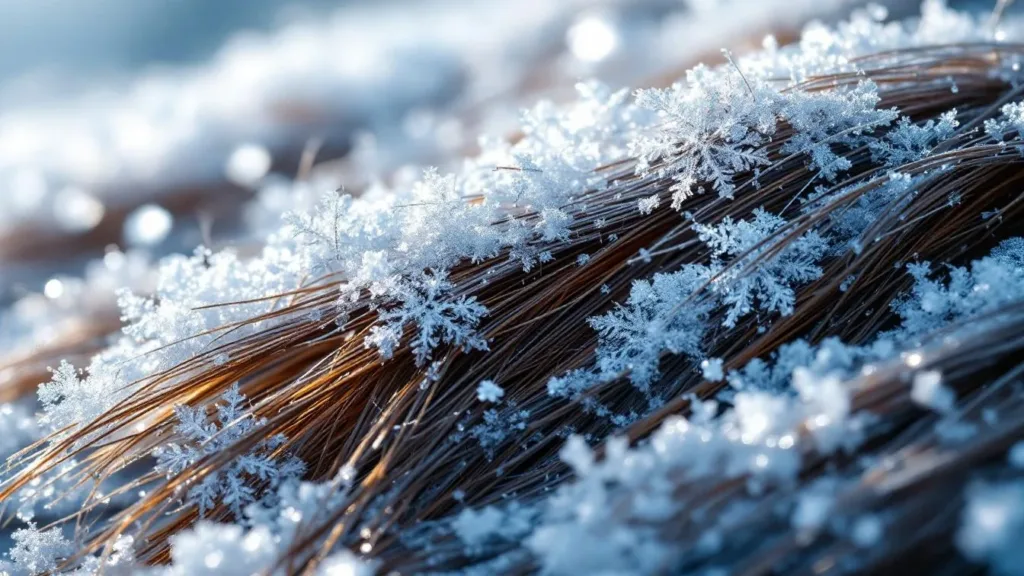
The onset of winter is often marked by a stunning transformation in the landscape, but for many, it also brings challenges for hair health. While summer’s sun and humidity can lead to frizz and flyaways, the cold, dry air of winter introduces a different set of troubles. According to stylists, the effects of cold weather on hair can surpass those caused by the bright rays of the summer sun. With each drop in temperature, the air loses moisture, compelling us to adjust our hair care routines significantly. Understanding these challenges is essential for maintaining vibrant, healthy locks throughout the dreaded winter months.
Effects of Cold Weather on Hair: A Closer Look
As temperatures plunge, the humidity level in the atmosphere decreases sharply, leaving hair parched and susceptible to damage. The dry conditions lead to a variety of issues, including dry scalp, hair breakage, and excessive frizz. For individuals with textured hair, the effects are particularly pronounced. Tighter curls and coils may struggle to distribute natural oils along the strands, making the ends especially prone to split ends and damage.
Moreover, wearing hats and scarves to combat the cold can flatten hair and further exacerbate hair damage. The combination of cold air and indoor heating can strip away moisture, creating an environment where hair can become dull and brittle. Symptoms such as static electricity and flaky dandruff are common, turning winter into a season requiring extra attention to winter hair care routines.
How to Protect Your Hair from Cold Weather Damage
Adapting to winter conditions is crucial in safeguarding hair health. Stylists recommend several proactive steps to counteract the impact of harsh weather. Here’s how to enhance your hair moisture and resilience:
- Limit Washes: Consider reducing hair washing frequency to once a week, as overwashing can strip essential oils.
- Use Hydrating Products: Opt for ultra-hydrating shampoos and conditioners that focus on replenishing moisture lost in cold weather.
- Incorporate Oils and Serums: Applying nourishing hair oils or leave-in conditioners can create an extra layer of protection against dryness.
- Minimize Heat Styling: Use hot tools judiciously and always apply heat protecters when styling.
- Cool Showers: Resist the urge for hot showers since they strip the scalp’s natural oils.
Understanding the Unique Needs of Natural Hair in Winter
For those with natural textures, the cold weather presents unique challenges. According to experts, including stylist Sess Lee Cannon, maintaining moisture levels is paramount. The temperature effects of winter can be particularly severe for natural hair types, which often require different care methods. Incorporating deep conditioning masks into wash days can be a game changer, as they combat the harsh drying effects of winter.
Maintenance doesn’t stop at wash days. Regular trims every few weeks help manage split ends and reduce frizz, while the L.O.C method (Leave-in, Oil, Cream) can help lock in moisture more effectively for curly and coily hair types. Seeking styles that protect the ends of the hair can also mitigate breakage.