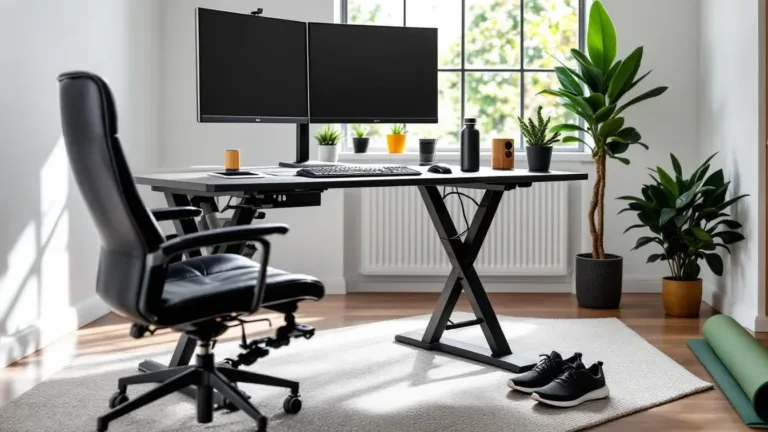
In an era where workplace wellness is increasingly prioritised, standing desks have gained attention as a healthier alternative to traditional seated workstations. However, experts, particularly occupational therapists, caution that merely adopting a standing desk doesn’t suffice for maintaining musculoskeletal health. Their insights reveal the importance of incorporating intentional movement breaks into daily routines. These breaks are essential for combatting the negative effects of a sedentary lifestyle and ensuring overall physical well-being. A growing body of research suggests that prolonged standing can actually lead to its own set of health issues, including joint strain and varicose veins. Thus, understanding the nuanced roles of both sitting and standing is vital for creating an optimal work environment that supports sustained productivity and fatigue prevention. As the discussion unfolds, it becomes increasingly clear that finding a balance between sitting, standing, and regular movement is key to a healthier workplace.
The Misconception of Standing Desks as a Silver Bullet
Many have embraced standing desks believing they are the ultimate solution to the problems caused by prolonged sitting. Studies indicate that while standing desks can help increase physical activity, they don’t inherently eliminate the need for movement. In fact, standing for excessive periods can be equally detrimental, leading to issues such as fatigue, lower back pain, and increased pressure on joints. Occupational therapists emphasise that standing desks should be viewed as a complementary tool rather than a replacement for movement.
Why Movement Breaks Are Essential
The human body thrives on movement; static postures, whether sitting or standing, can lead to discomfort and health problems. Regular movement breaks—even just a few minutes of stretching or walking—can significantly enhance circulation and reduce the risks associated with both sitting and standing. By alternating between various postures throughout the day, employees can enjoy better focus, increased energy, and improved mood. Integrating structured movement routines into the workday can enhance overall employee satisfaction and productivity.
Understanding Ergonomics at Work
Ergonomics plays a crucial role when considering desk setups. Proper height adjustments on standing desks can improve posture and reduce strain, but awareness of one’s posture remains equally important. Maintaining a neutral spine while standing requires conscious effort, and poor posture can lead to long-term complications. Occupational therapists advocate for not only correctly setting up a workstation but also actively engaging in movement to balance out the effects of both standing and sitting. Choosing supportive footwear and using anti-fatigue mats also contribute positively to one’s experience at a standing desk.
Setting Realistic Goals for Movement
Incorporating physical activity into the workday doesn’t have to be daunting. Setting realistic goals, such as taking a brief walk every hour or using a standing desk to perform light exercises like stretches or squats, encourages employees to stay active. Reminders and incentives can motivate individuals to break away from long periods of stillness. It’s crucial to remember that the blend of sitting, standing, and moving forms the foundation of a healthier work approach.