Recent findings from a Swedish study have shed light on an unexpected connection between exercise and anxiety. While physical activity is often lauded for its mental health benefits, this research suggests that for some individuals, particularly women, engaging in intense workouts may actually exacerbate feelings of anxiety rather than alleviate them. The study followed nearly 400,000 participants over two decades, indicating that those who take part in high-intensity activities, like ultralong-distance ski races, can experience increased anxiety levels. This complexity underscores the necessity to examine the psychology behind exercise and its impact on mental health.
Interestingly, the study discovered that female participants with better performance metrics in these strenuous activities had a significantly higher risk of anxiety compared to those who finished at a more moderate pace. This sex-specific response raises crucial questions about how workouts affect different genders, suggesting that what benefits one demographic might not universally apply. Understanding the nuances in these reactions could revolutionise how exercise is prescribed in mental health strategies, urging a shift towards tailored exercise regimes that prioritise individual well-being over generic recommendations.
Exercise Intensity and Anxiety: The Research Findings
The recent research highlights that individuals, especially women, who engage in intense physical activities may inadvertently amplify their anxiety levels. The study found that female skiers performing at the top tier showed a doubled risk of developing anxiety disorders compared to their slower counterparts. This suggests that there’s a fine line between beneficial exercise and excessive effort that could lead to heightened stress responses.
The Role of Physical Activity in Mental Health
Traditionally, physical activity has been promoted as a remedy for improving mental health, reducing stress, and enhancing overall well-being. However, this new evidence prompts a critical reevaluation of the types and intensities of exercise prescribed. While moderate exercise tends to lower anxiety levels by releasing endorphins and providing distraction, high-intensity workouts could trigger a physiological stress response that may worsen symptoms for some individuals.
Seeking Balance: Tailoring Workouts to Individual Needs
Finding the right balance in exercise is essential. Instead of following a “go hard or go home” philosophy, individuals may benefit more from a tailored approach. This involves understanding not just the physical demands of a workout but also how these activities align with their mental health needs. Engaging with a mental health professional who understands these dynamics can provide insights and strategies that support both exercise and emotional well-being.
Stress and Recovery: The Importance of Moderation
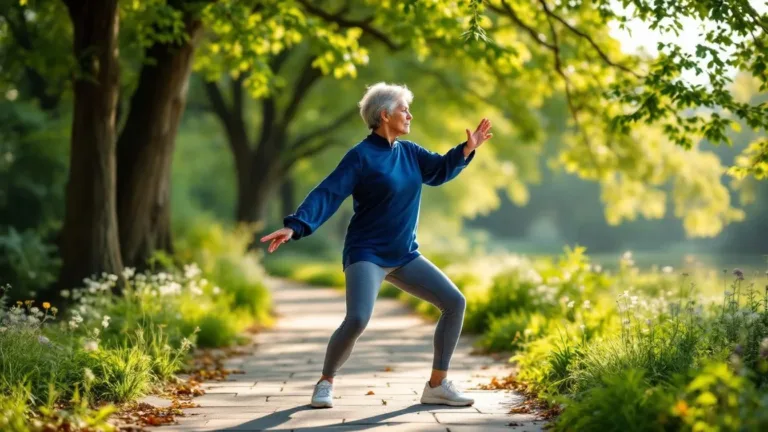
Moderation plays a pivotal role in managing stress and anxiety. Incorporating restorative practices, like yoga or leisurely walks, may offer the soothing impact that intense workouts lack. This balanced approach not only fosters a healthier relationship with exercise but also promotes sustainable practices that enhance overall well-being. The Swedish study implies that beyond mere physical fitness, an effective exercise routine should also accommodate mental resilience and recovery.