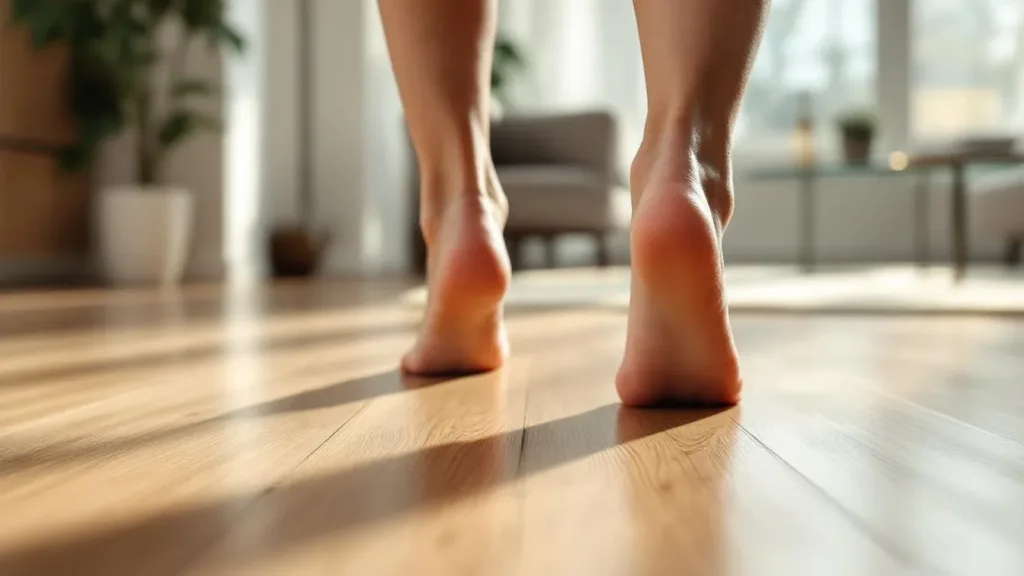
Walking barefoot at home may seem like a simple act, yet it offers profound benefits for both balance and overall foot health. In an era where many struggle with discomfort from ill-fitting shoes, embracing a shoeless lifestyle indoors can provide surprising advantages. Not only does it enhance foot strength, but it also improves coordination and proprioception—our body’s awareness of its position in space. Leading podiatrist Dr. Robert Conenello highlights the importance of strengthening intrinsic foot muscles, which can weaken from prolonged shoe use. This is particularly vital as we age and seek to maintain mobility. Moreover, walking barefoot allows the skin of our feet to breathe, reducing the likelihood of fungal infections and promoting a healthier environment.
Understanding the Benefits of Barefoot Walking
The sensory feedback provided by walking barefoot allows individuals to engage more fully with their surroundings. Podiatrists argue that this enhanced sensory awareness improves balance and helps adjust movements effectively. Such benefits are particularly evident in children, as developing stronger arches and wider forefeet from going barefoot can enhance long-term foot function. Dr. Hannah Kopelman, a dermatologist, notes that without shoes, the risk of moisture buildup diminishes, which further reduces the chances of skin infections like athlete’s foot. Who would have thought that simply removing shoes could lead to such holistic advantages?
Potential Risks to Consider
Despite the numerous benefits, it’s crucial to acknowledge the potential hazards associated with walking barefoot. While hard surfaces may strengthen the feet, they can also lead to strain, particularly for those with preexisting conditions such as plantar fasciitis. Dr. Kopelman warns of the risk of injury from sharp objects and the dangers those with sensitive skin might face. For people managing diabetes or circulatory issues, even minor cuts can lead to significant complications due to slower healing. Implementing a cautious approach and listening to one’s body when transitioning to a barefoot lifestyle is essential.
Where to Start with Barefoot Walking
For those intrigued by the idea of walking barefoot, starting gradually is key to avoiding injury. Experts recommend beginning on soft surfaces, such as carpet or grass, for short periods. Engaging in foot-strengthening exercises can also aid in preparing the muscles for the transition. As foot strength develops, individuals can incrementally increase the duration spent barefoot and eventually explore different surfaces. Supportive footwear remains a wise choice for prolonged activities, ensuring safety during tasks like cooking or cleaning.
Balancing Barefoot Walking with Safety
The consensus among podiatrists is to find a careful balance between barefoot walking and maintaining proper foot health. Individuals should explore how their body responds, recognising that comfort is paramount. For those who prefer not to walk barefoot, options like high-quality socks or cushioned slippers can offer similar benefits, including reduced exposure to allergens while allowing the feet some freedom of movement. Ultimately, prioritising foot strength, alignment, and comfort ensures a more enjoyable experience both barefoot and in supportive footwear.