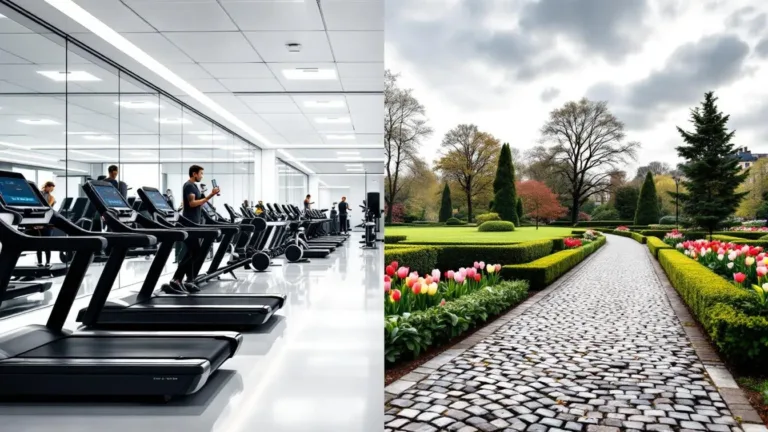
Aging past 70 doesn’t equate to slowing down; it’s about moving with intention and intelligence. Many seniors rely on daily walks and irregular trips to the gym, which seem beneficial but don’t address critical areas of physical health. Research indicates that traditional forms of exercise fall short in preserving muscle strength, flexibility, and balance, which are essential for maintaining independence. Instead of merely counting steps, exploring a more dynamic approach can significantly enhance the overall healthspan for older adults.
Recent studies reveal that a holistic movement routine encompassing aerobic activity, strength training, balance exercises, and flexibility work provides better protection against the declines associated with aging. This routine also adapts well to different fitness levels and can easily integrate into daily life. The secret lies in incorporating a variety of movements that challenge the body in multiple directions, enhancing not just strength, but agility and coordination.
Why Daily Walks and Gym Visits Aren’t Enough After 70
While daily walking offers cardiovascular benefits and mood enhancement, it falls short in several key areas essential for seniors:
- No muscle strength gains: Muscle mass declines rapidly after age 70, leading to increased frailty.
- Bones at risk: Walking alone doesn’t protect against bone density loss, heightening the threat of fractures.
- Balance challenges: Simply walking doesn’t adequately improve balance, a common cause of falls.
- Mobility issues: Walking doesn’t sufficiently enhance joint flexibility needed for maintaining independence.
In contrast, a targeted movement pattern focused on specific exercises can combat these issues effectively, ensuring a well-rounded fitness regime.
The Ideal Movement Pattern for Adults 70+
This comprehensive approach incorporates four essential pillars for effective physical activity:
- Aerobic activity: Engage in brisk walking, swimming, cycling, or dance for at least 150 minutes per week.
- Strength training: Utilize resistance bands or bodyweight exercises twice a week to preserve muscle.
- Balance training: Include exercises like Tai Chi and single-leg stands three times a week.
- Flexibility and mobility work: Adopt stretching routines or yoga sessions to maintain joint health at least two to four days a week.
This balanced routine not only promotes longevity but also enriches everyday life, enhancing the ability to perform daily tasks with ease.
How This Movement Pattern Upgrades Your Healthspan
Implementing a multifaceted movement routine provides an array of health benefits:
- Muscle preservation: Regular strength training slows down muscle loss, facilitating easier daily tasks.
- Bone health: Incorporating weight-bearing exercises helps protect against fractures.
- Fall prevention: Balance exercises improve stabilization and coordination, significantly reducing the risk of falls.
- Enhanced cardiac health: Aerobic activities support heart and lung function, improving stamina.
- Increased flexibility: Regular stretching keeps joints agile, preventing stiffness.
- Support for mental health: Active movement enhances blood flow to the brain, improving mood and cognitive function.
- Maintained independence: A strong combination of strength, mobility, balance, and stamina fosters long-term independence.
This structured movement routine proves more beneficial than conventional fitness habits, ensuring a vibrant and active lifestyle.
Sample Weekly Movement Routine for 70+ Adults
An effective weekly plan may look like this:
- Monday: 30 minutes brisk walking + 10 minutes stretching
- Tuesday: Strength training with light weights or bands
- Wednesday: Balance exercises (heel raises, chair stands)
- Thursday: 30 minutes of swimming or cycling
- Friday: Strength training + flexibility routine
- Saturday: Tai Chi or gentle yoga
- Sunday: Light activity + rest
This routine offers a safe, adaptable, and enjoyable framework, promoting wellness and physical vitality.
Rethinking Aging Well
Adopting a nuanced perspective on aging reveals that healthspan isn’t merely a matter of longevity. It encompasses the ability to navigate life with agility and confidence. Rather than focusing solely on distance or duration, the emphasis shifts to the variety and functionality of movement. Whether it’s enjoying a dance in the living room or stepping sideways while chatting with a friend, these moments reflect a life well-lived.
Engaging in movements that incorporate balance and directionality can have profound effects. The ultimate goal transcends fitness alone; it’s about remaining capable of everyday tasks, fostering social connections, and promoting mental sharpness. By embracing this comprehensive approach, staying healthy and vibrant is possible well into the later years.