As the push for heart health continues to resonate in today’s society, the idea of swapping high-fat meals for low cholesterol options has gained significant traction. Eating mindfully has transcended mere dietary preference, becoming a lifestyle change that prioritises wellness through nutritious choices. The focus is not just on cutting out unhealthy fats but embracing a diverse range of flavours that don’t compromise on satisfaction. In this climate of health-conscious dining, a wealth of delicious recipes awaits those eager to embark on a journey towards a balanced diet.
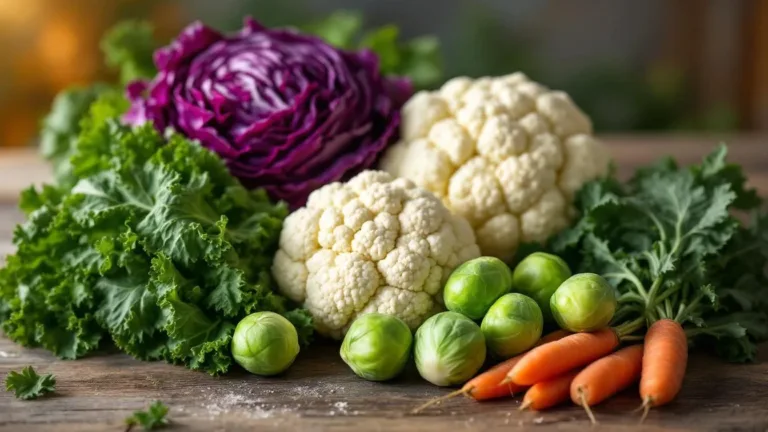
Current data reaffirms that high cholesterol is a significant risk factor for heart disease, with dietary choices playing a pivotal role in managing this condition. Consequently, making informed food swaps can lead to remarkable improvements in overall health. From substituting fatty meats for lean proteins to incorporating a variety of fruits and vegetables, the transition towards healthier dinners does not mean dull eating. Instead, this shift opens the door to inventive culinary explorations, where nutrition and taste harmoniously coexist. The market today is full of vibrant, nutrient-rich ingredients that can easily fit into daily meals, making the prospect of cholesterol reduction both achievable and enjoyable.
Embracing Flavorful Low Cholesterol Meals
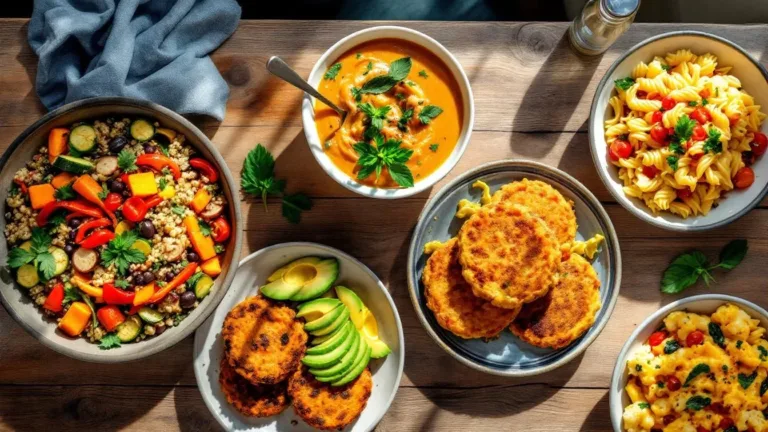
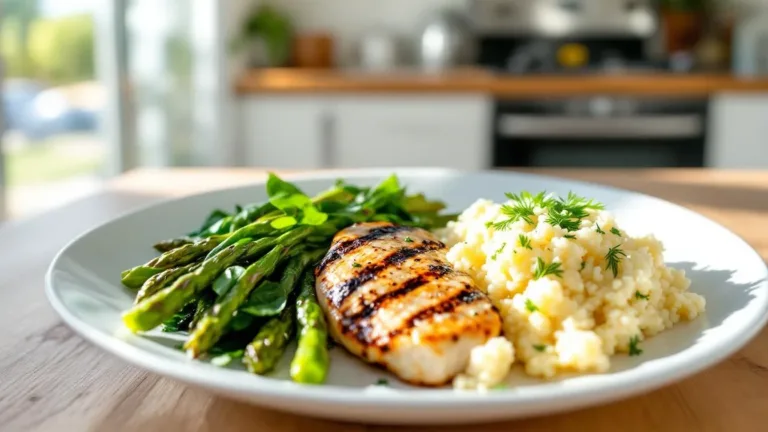
The transition to healthy eating can seem daunting, but incorporating low cholesterol meals can be both exciting and fulfilling. Consider full-flavoured cuisines that naturally lean towards heart-healthy ingredients like legumes, whole grains, and lean proteins. A well-balanced dinner doesn’t have to be bland; dishes such as grilled lemon herb chicken paired with quinoa or vegetable stir-fry with tofu can easily be prepared without sacrificing taste. These meals celebrate the essence of fresh ingredients, ensuring that each bite is a delightful experience—a key aspect often overlooked in diet adaptations.
Simple Swaps for a Healthier Diet
Engaging in a diet swap often requires small yet impactful changes. Here are some actionable tips to consider:
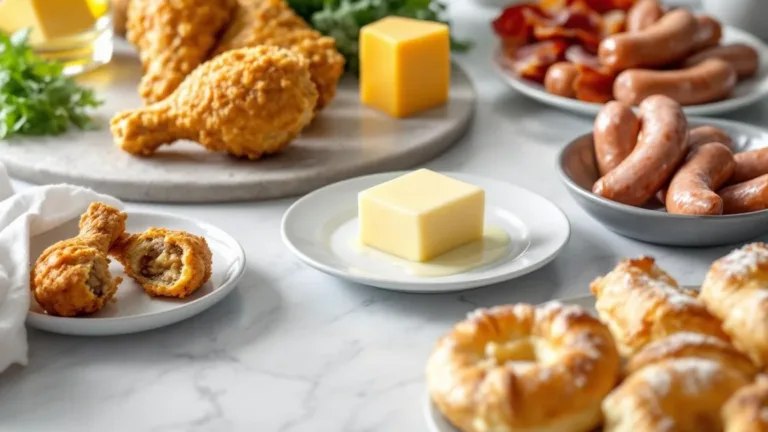
- Replace processed meats with fish or plant-based options to enjoy healthier protein sources.
- Opt for whole grains instead of refined carbohydrates—substituting brown rice for white or using whole-grain bread can make a noticeable difference.
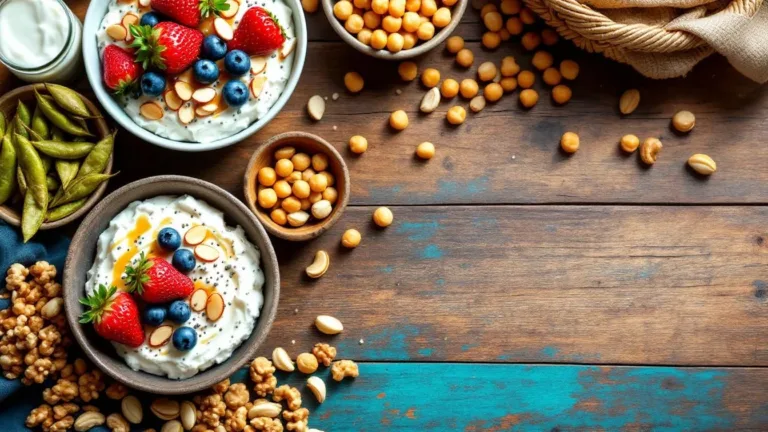
- Add healthy fats, such as those from avocados or nuts, to provide nutritional benefits without raising cholesterol levels.
- Incorporate herbs and spices to enhance flavour without the need for excessive salt or unhealthy sauces.
These strategic choices can transform your meals while promoting heart health. As you begin to explore these alternatives, you’ll likely find that a diverse array of tastes awaits, paving the way for enjoyable, satisfying dinners.
Creating a Diverse Dinner Menu
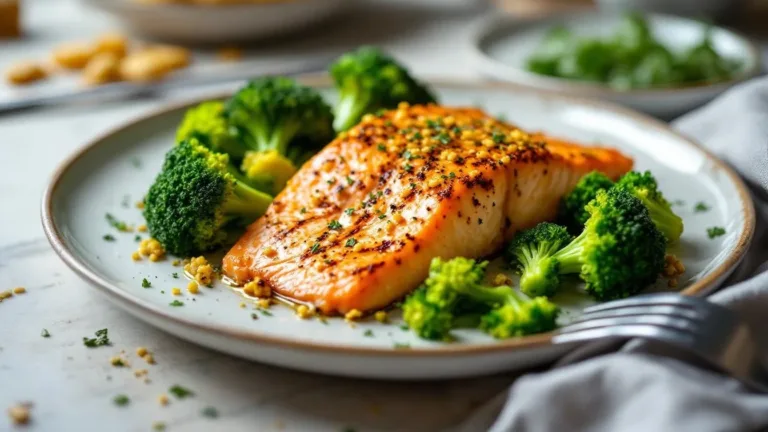
Understanding that meal preparation is essential for maintaining healthy dinners encourages creativity in the kitchen. Why not experiment with dishes like baked salmon with roasted vegetables or a hearty chickpea and spinach stew? These recipes not only pack a nutrient powerhouse but also cater to diverse palates, proving that nutrition and pleasure can coexist. The key lies in embracing an adventurous spirit while preparing your meals.
Benefits and Long-term Impact of Low Cholesterol Eating
Adopting a low-cholesterol diet is more than an immediate health fix; it fosters a long-term commitment to well-being. Research corroborates that consistent choices towards cholesterol reduction contribute significantly to reducing the risk of heart disease and enhancing overall vitality. Additionally, mindful eating practices help cultivate a deeper relationship with food, optimising the joy of cooking and dining.
With a variety of dishes to explore, this journey towards healthier eating can become a rewarding lifestyle, promising ongoing benefits for heart health and wellness. Embracing a shift to low cholesterol meals not only nourishes the body but also enriches the spirit.