In the quest for effective back pain relief, traditional sit-ups often take centre stage, but recent insights challenge this notion. For individuals grappling with back pain, standing exercises are proving to be a safer and more effective alternative. They not only promote core strengthening but also enhance posture improvement and maintain spinal alignment. The emphasis is on low-impact workouts that focus on muscle engagement without the undue strain that sit-ups can impose on the spine. With the right approach, exercising while standing can mitigate pain and foster long-term health benefits. What lies behind the effectiveness of standing exercises compared to their sit-up counterparts?
Understanding the Mechanics: Why Standing Exercises Shine
One of the primary reasons standing exercises outshine sit-ups for back pain sufferers is the reduced strain on the spine. Sit-ups involve repeated flexion of the spine, which may worsen discomfort. In contrast, standing movements encourage a neutral spine, allowing muscles to engage without the potential for injury. This shift promotes safety and makes standing exercises an optimal choice for effective injury prevention.
Key Benefits of Standing Exercises
Several key benefits solidify the case for standing exercises:
- Improved Muscle Engagement: Standing routines activate a broader range of muscle groups compared to traditional sit-ups, which often target only the abdominal area.
- Better Spinal Alignment: Maintaining a more natural posture during workouts aligns the spine correctly, supporting overall back health.
- Accessibility and Low Impact: Most standing exercises are adaptable for various fitness levels, making them suitable for those new to exercise or dealing with mobility issues.
Effective Standing Exercises for Core Strength
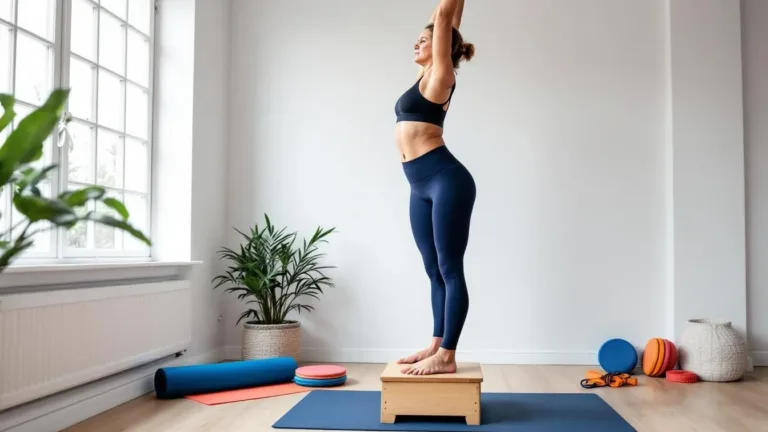
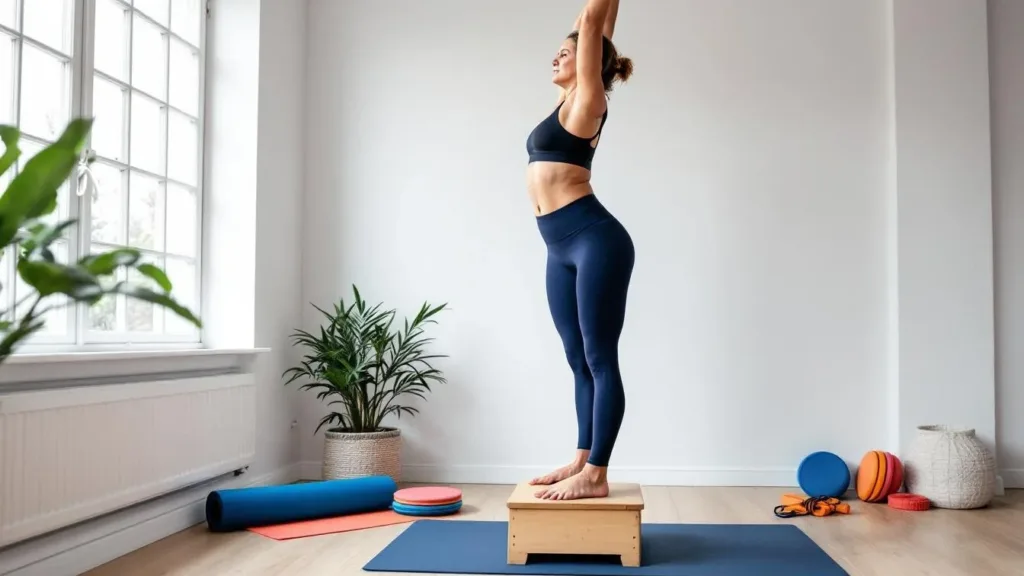
Implementing a routine of standing exercises can lead to noticeable improvements in core strength and back health. Here are a few effective moves:
- Standing Oblique Crunch: Lift one knee while bringing the corresponding elbow down to meet it, engaging the side core muscles.
- Wall Sits: Lean against a wall while sliding down to a seated position, strengthening the legs and lower back simultaneously.
- Standing Side Leg Raises: Lift one leg to the side while balancing the other, targeting the core and hip muscles.
Incorporating Standing Exercises into Daily Routine
To experience the full benefits of standing exercises, it’s crucial to integrate them into daily life. Simple strategies such as alternating between sitting and standing while working, or dedicating a few minutes each hour to perform standing exercises, can contribute significantly to overall health.