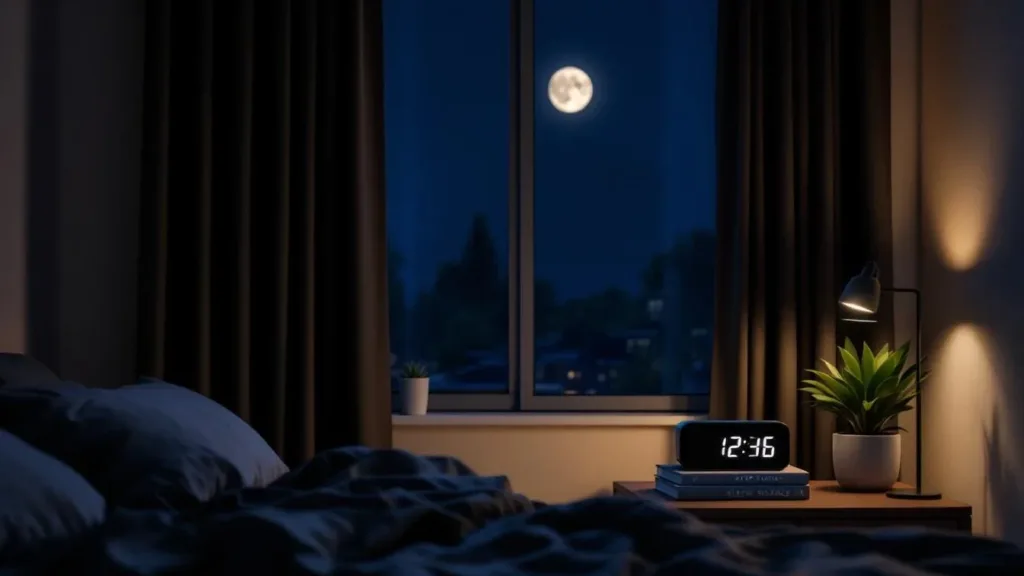
Imagine a world where a simple switch can improve your mood, sharpen your focus, and even protect your heart. That’s the compelling promise of sleeping in complete darkness. As more of us grapple with the adverse effects of our hyper-lit environments, the revelations from sleep experts shed critical light on how total darkness can act as a catalyst for better brain health and overall wellbeing. Research increasingly suggests that even minimal light exposure—like that from a phone screen—can disrupt sleep patterns and throw the body’s natural rhythms into disarray. Prioritising a dark sleep environment is not just a luxury; it’s a necessity that can lead to profound benefits for both mental health and cognitive function.
The Importance of Complete Darkness for Sleep Quality
The role of darkness in sleep is far from trivial. Our brains depend on signals to regulate sleep-wake cycles, primarily driven by the hormone melatonin. When light interrupts this process, the result is not only a restless night but also long-term health implications. Studies have shown that environments illuminated by even dim light can hinder the brain’s ability to transition into the restorative sleep phases crucial for mental resilience. The circadian rhythm—the body’s internal clock—relies on darkness to function optimally, aligning its cycles with nature’s patterns. When darkness is replaced by light, even at minimal levels, this delicate balance is disrupted, leading to increased grogginess and decreased cognitive capabilities.
How Darkness Enhances Brain Health
Research has begun to unveil the connection between sleep quality and brain health. Sleeping in a dark environment allows the brain to enter deeper sleep stages, particularly slow-wave sleep and REM sleep, which are essential for processing memories and emotions. When the brain achieves these critical stages, it can clear waste, regulate mood, and foster clearer thinking, enhancing cognitive function. The presence of light at night doesn’t just disturb these stages; it also elevates stress hormones like cortisol, which can further hinder mental wellbeing.
Darkness as a Shield Against Health Issues
Diving deeper into the implications of light exposure at night, evidence suggests that sleeping in darkness could even protect against cardiovascular problems. Studies indicate that those exposed to light while they sleep are more likely to experience heightened risks for conditions like high blood pressure and type 2 diabetes. As light disrupts the body’s ability to regulate blood sugar, the stressors of a bright environment can accumulate, potentially leading to chronic health issues. By creating a dark sleep sanctuary, one sets the stage for better metabolic health, which is vital for overall vitality.
Mental Health Boosts Through Darkness
The relationship between sleep and mental health is well-established—how many times has a poor night’s sleep left you feeling irritable or anxious? The emotional repercussions of sleep deprivation are profound. In fact, light exposure at night has been reported to correlate with increased anxiety and depression levels. Prioritising a dark sleep space can facilitate a complete reset for the mind, aiding emotional regulation and allowing for a clearer headspace. For couples, this can translate to improved communication and deeper intimacy, as emotional well-being bolsters relational health.
Practical Steps to Create Total Darkness
These adjustments are not merely superficial; they hold the potential to revolutionise sleep quality and, by extension, overall health. Partners who commit to creating this serene space together are likely to see the benefits ripple through their relationship, fostering shared well-being. Fostering a dark sleep space not only benefits individual health but also strengthens relationships. A well-rested partner is often more patient and emotionally available. When couples establish harmonious sleep habits by prioritising a tranquil environment, the resulting emotional connection and energy can breathe new life into their interactions. Achieving deep, restorative sleep sets the foundation for a relationship where both individuals thrive, allowing for meaningful conversations and shared experiences.
The Relationship Connection