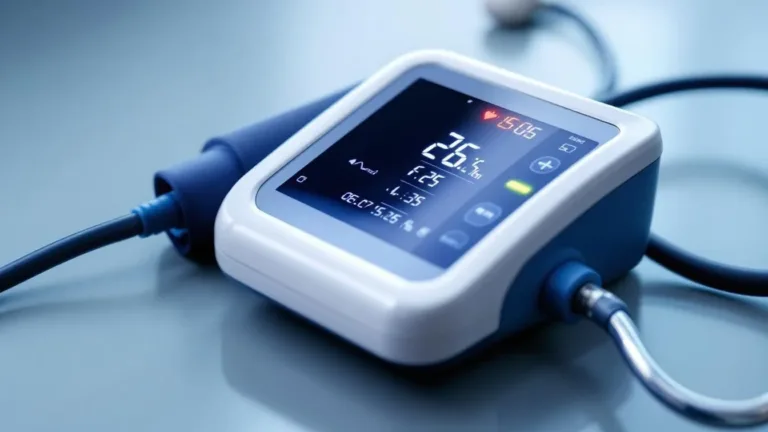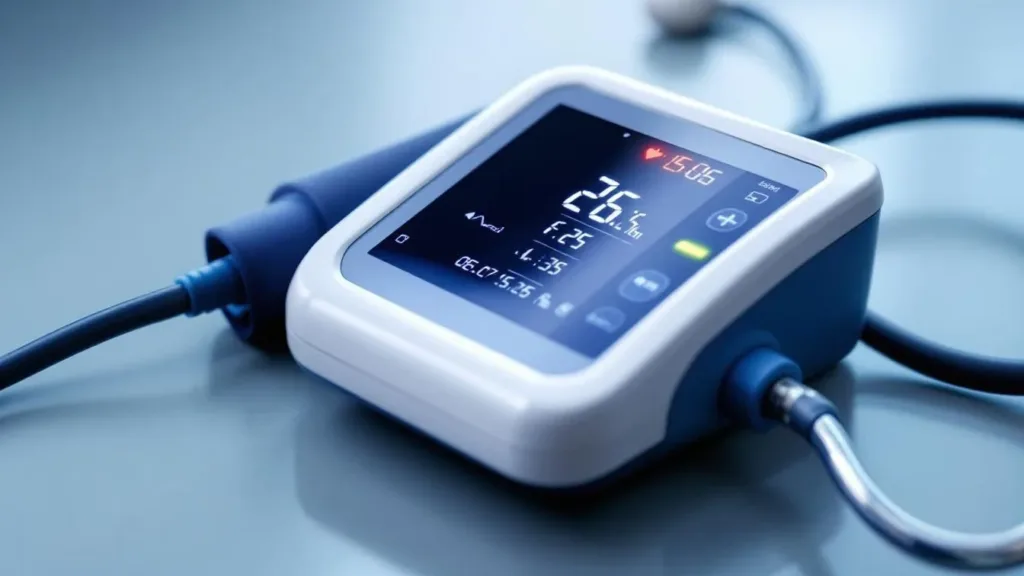
The increasing popularity of home blood pressure monitors has brought significant benefits to health management, allowing individuals to track their cardiovascular health in real-time. However, many users are perplexed when their readings differ from those provided during a GP blood pressure reading. Understanding the reasons behind these discrepancies is crucial for effective health monitoring and management, especially since blood pressure variance can indicate underlying health issues.
Factors affecting the accuracy of home devices include calibration issues, measurement techniques, and even psychological elements like white coat syndrome, where anxiety influences blood pressure readings during medical appointments. For instance, a person’s blood pressure can vary significantly throughout the day due to activities, stress, or even hydration levels. This is why the readings from a home monitor might be higher or lower than those taken in a clinical setting.
Understanding Blood Pressure Readings: Home vs. GP Visits
The discrepancy between home blood pressure monitors and clinic readings often stems from different measurement environments. Home settings tend to be less stressful, allowing for more relaxed readings, while the clinical atmosphere may induce heightened anxiety, causing temporarily elevated blood pressure. Additionally, the technique of measurement can alter results; for example, measuring immediately after exertion or without proper rest can yield inaccurate numbers. It’s vital to ensure the monitor is calibrated correctly and used consistently for valid comparisons.
Recent studies have revealed that blood pressure accuracy can diminish if monitors are not validated or if the user is not correctly following guidelines. For optimal results, it’s recommended to take several measurements throughout the day and at different times. This not only accounts for natural variability but also provides a more accurate picture of overall blood pressure trends.
Calibration and Measurement Techniques Matter
Calibration of the device is a fundamental aspect that users often overlook. Many home monitors are not as rigorously tested as clinical devices, which can lead to variations. To ensure accurate readings, users should regularly check their devices against readings taken by their GP. This practice can help in identifying whether the home monitor consistently under or over estimates blood pressure compared to a professional reading.
Furthermore, the technique of measurement plays a significant role. Positioning the arm correctly, ensuring the cuff is at heart level, and resting for a few minutes before taking a reading are critical steps that can greatly influence the outcome. Incorporating these practices into the routine can help attain consistent and reliable data for better health tracking.
How to Interpret Your Home Measurements
Recognizing the context behind blood pressure readings is essential. Home monitors can occasionally read higher than those taken at a GP’s office due to anxiety or the aforementioned white coat syndrome. If a person consistently records higher readings at home, it may signal a need for medical intervention. Consulting with a healthcare professional regarding home monitoring and its implications on heart health is advisable for personalized guidance.
In 2026, the trend of monitoring health from the comfort of home continues to grow, further emphasizing the importance of understanding the dynamics of blood pressure readings. Patients should be proactive, ensuring they are informed and engaged in their wellbeing.