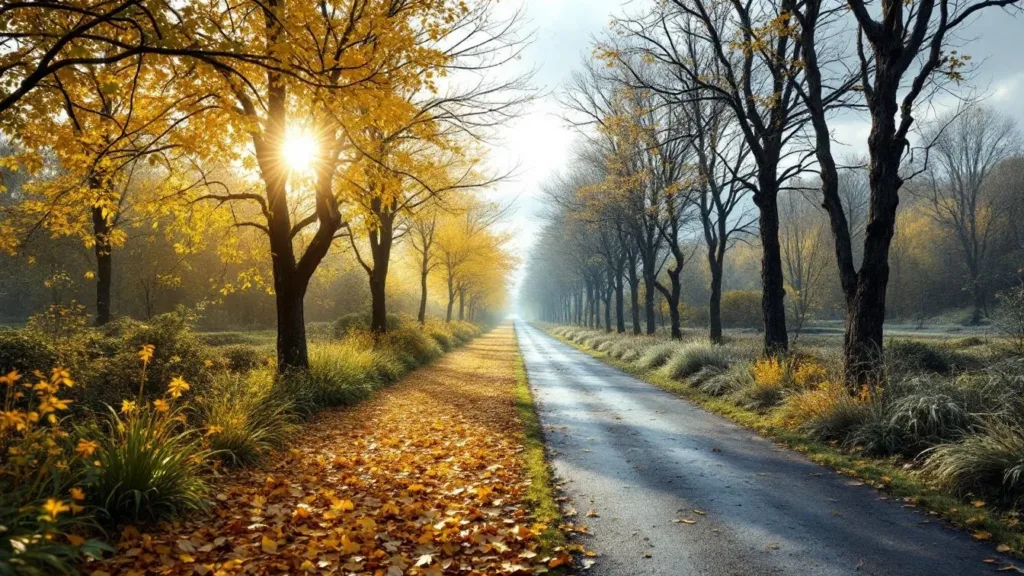
As the seasons shift from the vibrant hues of summer to the stark chill of winter, many experience more than just changes in weather. These transitions can elicit profound emotional responses that vary widely among individuals. For some, the delightful anticipation of spring or the calming embrace of autumn brings joy and renewal. For others, the darker months signal a struggle with mood and energy levels, culminating in challenges like seasonal affective disorder (SAD). This condition manifests as a serious form of depression, often triggered by reduced light exposure and the impacts of circadian rhythms on mental health. Understanding why these seasonal mood changes affect certain people more severely than others can illuminate paths to better emotional health.
Environmental factors play a crucial role in this dynamic. As daylight wanes, the production of serotonin, often associated with mood regulation, decreases. This can lead to feelings of lethargy and sadness. Simultaneously, the body’s increased production of melatonin during longer nights may contribute to symptoms such as fatigue and irritability. For many, these physiological reactions correlate strongly with emotional wellbeing, but they also interweave with genetic factors and personal vulnerabilities. Each person’s unique predisposition to mood disorders can amplify the effects of environmental triggers, leading to a ripe landscape for emotional distress during particular seasons.
The Science of Seasonal Mood Changes
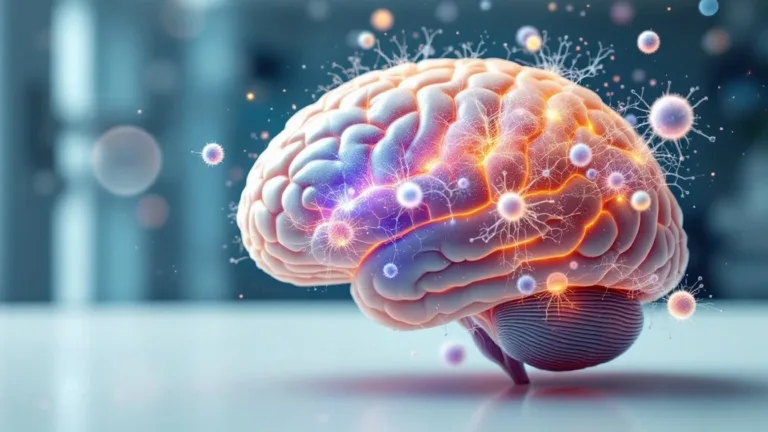
Research indicates that the brain’s response to seasonal alterations is deeply tied to light exposure. Shorter days result in diminished natural light, affecting serotonin levels and fostering negative mood conditions. Those particularly sensitive to these changes may struggle more intensely. Understanding this biological basis is vital; the body’s interruption in normal hormone production can create an emotional backlash for those already predisposed to anxiety and depression.
In contrast, longer daylight hours can occasionally heighten feelings of anxiety, especially in spring and summer when societal expectations to engage and thrive increase. This can feel overwhelming for individuals coping with environmental triggers like seasonal allergies or pressure to remain active. Therefore, whilst each season comes with its unique emotional landscape, the underlying biology remains a common thread in its impact on mental health.
Practical Approaches to Managing Seasonal Changes
To navigate these seasonal ebbs and flows, practical strategies can help maintain a balanced mental state. Maximising light exposure is vital. For instance, seeking natural sunlight each day or using light therapy lamps during winter months can be essential. A consistent routine also serves as an anchor. Regular sleep patterns and scheduled physical activity can provide much-needed stability amidst the shifting environmental conditions.
Social connections are equally important. Maintaining conversations with friends or seeking professional support when feelings of despair intensify can be crucial for those feeling isolated or overwhelmed. Embracing the changing seasons with meaningful rituals—like seasonal hikes or creating cozy indoor environments—can also cultivate a sense of agency in the face of adversity.
When to Seek Help
Recognising when seasonal mood changes escalate beyond normal fluctuations is critical. Persistent feelings of hopelessness, significant sleeping disturbances, or a marked loss of interest in activities once enjoyed may signal the need for professional guidance. Seeking help from a mental health professional can provide clarity and support, especially when seasonal changes induce severe emotional distress.
By cultivating awareness of emotional responses to seasonal shifts, individuals can empower themselves to create proactive strategies for managing their mental health. While nature’s rhythms can influence wellbeing, understanding personal patterns and vulnerabilities allows for a more compassionate approach to self-care and emotional resilience.