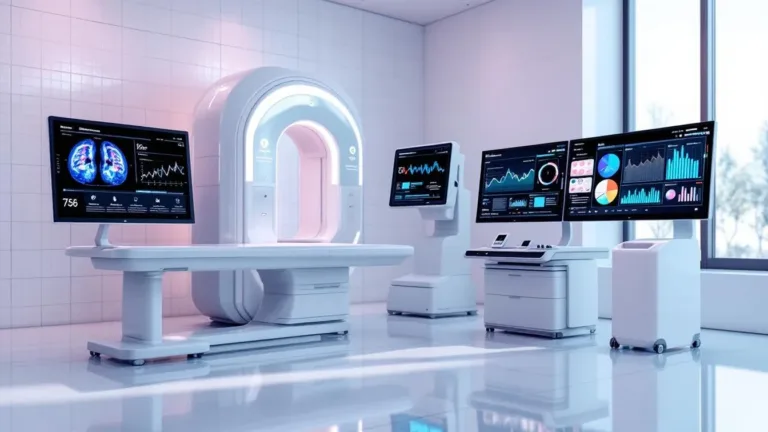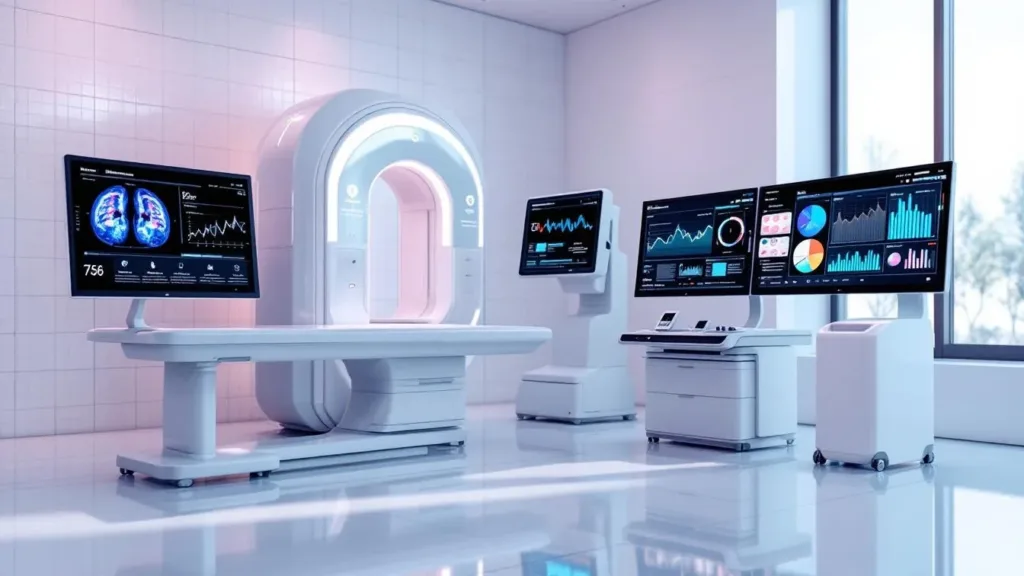
The landscape of early screening has undergone a radical transformation over the past decade, influenced by a convergence of medical advancements and innovative technologies. This evolution is not merely a technical enhancement; it represents a significant leap forward in the ability to detect diseases earlier, pivotal for improving patient outcomes. Experts assert that by identifying health issues before symptoms arise, healthcare professionals can initiate timely preventive care, ultimately saving lives and reducing treatment costs. In an era where technology becomes increasingly intertwined with medical practice, understanding these changes is essential for both patients and providers.
Over the past ten years, the introduction of sophisticated screening technologies, including artificial intelligence in diagnostics and minimally invasive procedures, has made early detection more accessible and effective. For instance, tools leveraging AI have shown remarkable potential in enhancing the accuracy of diagnosis, allowing for earlier interventions and better management of conditions that previously plagued individuals until they became critical. Furthermore, the integration of such technology into routine healthcare signifies a notable shift from reactive to proactive medical care, making early screening an integral part of public health initiatives.
Technological Innovations in Early Screening
One of the most significant shifts in early screening is the advent of technologies that increase accessibility. Modern procedures, from blood tests to advanced imaging techniques, are designed to reach a broader audience, making it easier for healthcare providers to identify at-risk populations. For instance, molecular diagnostics and blood-based tests are being rapidly developed to catch multiple cancers early, improving patient comfort and reducing the need for invasive procedures.
Moreover, diagnostics have been revolutionized. In recent studies, AI-assisted tools demonstrated increased accuracy and reduced workloads for radiologists. By streamlining the detection process, these technologies are setting new standards for timely interventions. Early detection remains crucial, as research indicates that cancers identified in earlier stages can often be treated more effectively, changing prognosis statistics significantly.
Healthcare Access and Screening Inequalities
Despite advancements, disparities in healthcare access still pose substantial challenges. Certain groups, particularly those from ethnic minorities or underserved communities, often experience lower screening rates. A recent study highlighted that targeted outreach programs—combining bilingual support and community engagement—successfully increased screening participation in these populations, demonstrating that tailored approaches can bridge gaps in care.
Addressing these inequalities necessitates a multifaceted strategy. By understanding the unique concerns, cultural beliefs, and logistical barriers these communities face, healthcare providers can develop effective intervention programs. The importance of such initiatives not only lies in enhancing screening rates but also in fostering a more inclusive healthcare environment.
Future Directions in Early Screening
The future of early screening is promising, with ongoing research highlighting emerging technologies and methodologies aimed at further enhancing detection capabilities. Innovations such as multi-cancer early detection tests (MCEDs) are expanding the horizon for early diagnosis, aimed at detecting several cancer types from a single blood draw, streamlining the process for both patients and healthcare providers.
These MCEDs are particularly groundbreaking in the battle against cancer, as they offer a non-invasive solution that can dramatically increase screening rates while decreasing the burden of traditional testing. The goal is to ensure comprehensive healthcare coverage for every individual, recognizing that early intervention is key in the fight against cancer.
As the healthcare landscape continues to evolve, it is imperative for both patients and practitioners to stay informed about advancements in early screening. The integration of cutting-edge technology, combined with a commitment to equitable healthcare access, will undeniably shape the future of preventative care, ensuring that early diagnosis becomes a standard practice for all individuals.