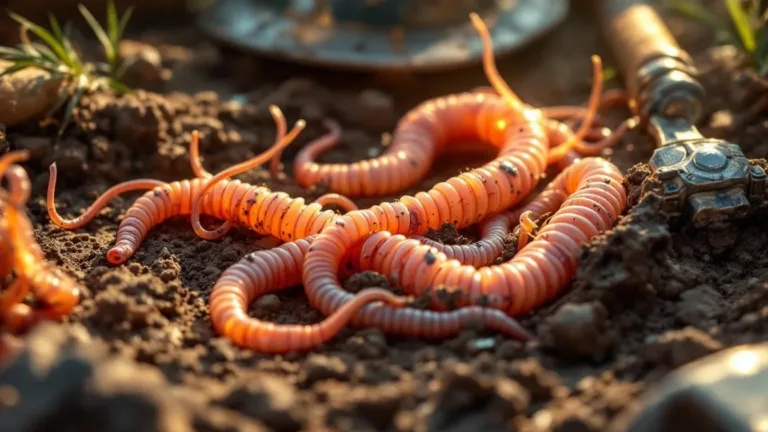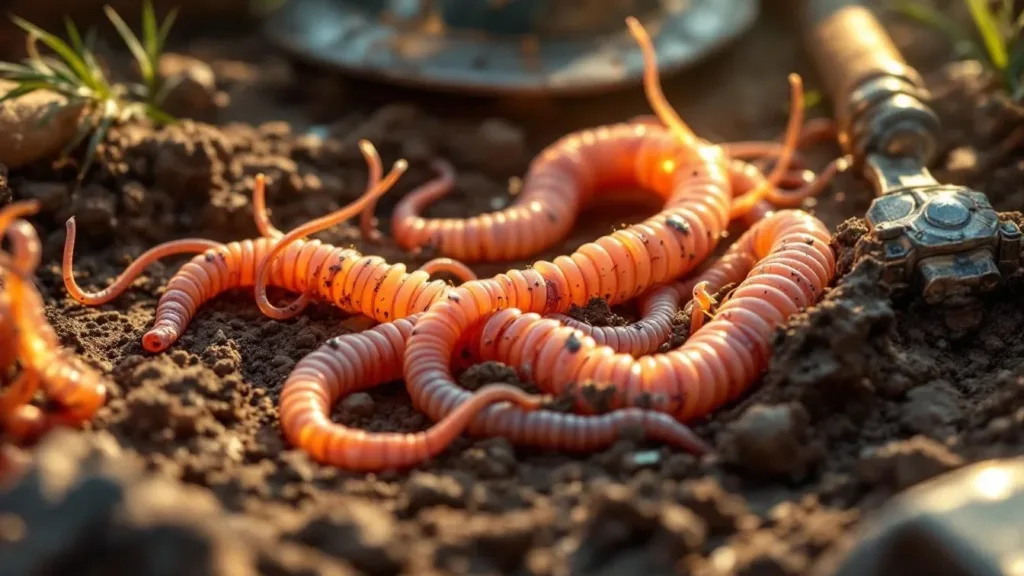
Roman soldiers stationed along the northern frontier of Britannia faced not only the threat of enemy tribes but also a far more insidious enemy lurking within them: intestinal parasites. Recent archaeological research has uncovered the presence of multiple parasitic infections among these ancient warriors, shedding light on their health and daily struggles. Excavations at the Vindolanda fort, near Hadrian’s Wall, have revealed remains of roundworms, whipworms, and Giardia duodenalis—all evidence of inadequate sanitation practices that left soldiers vulnerable to debilitating diseases. These findings challenge the long-held belief that ancient Rome boasted superior hygiene and health standards.
This historical epidemiology not only highlights the physical ailments faced by Roman soldiers but also reflects their daily realities. Many soldiers experienced chronic conditions such as nausea and diarrhea, which likely impacted their military efficiency. The discovery of these parasites through sediment analysis from the fort’s sewer drains underscores the harsh living conditions of the time, suggesting that the soldiers’ health was compromised long before battles were fought.
The Link Between Military Hygiene and Health
The notion of military hygiene in ancient Rome often conjures images of well-organised camps with proper sanitation facilities. However, the findings at Vindolanda present a stark contrast. Parasites commonly spread through contaminated food and drink, highlighting serious flaws in the soldiers’ health practices. Archaeological evidence suggests that while baths and toilets existed, they fell short of effectively managing waste, contributing to the spread of these dangerous organisms.
Insights into the lives of these soldiers reveal that they were often at the mercy of their environment. The natural dampness of the area, combined with inadequate waste management practices, created ideal conditions for parasites to thrive. This intersection of disease and military life questions the overall health strategies employed by the Roman Empire, inviting reflection on how sanitation practices evolved over time.
Implications of Parasitic Infections on Military Performance
The presence of intestinal parasites likely had serious implications for the combat readiness of Roman soldiers. Recurrent illnesses would have not only drained individual soldiers of their strength but also hindered the morale of entire units. Health matters directly impacted military efficiency, potentially altering the course of conflicts along the empire’s fringes.
The studies conducted reflect a broader narrative of how health intertwines with military success. Understanding the debilitating effects of such parasitic infections prompts a re-evaluation of the tactics and strategies employed by the Romans in battle. Did the looming threat of disease undercut their legendary prowess? Or did it simply become a part of their gritty reality on the frontier?