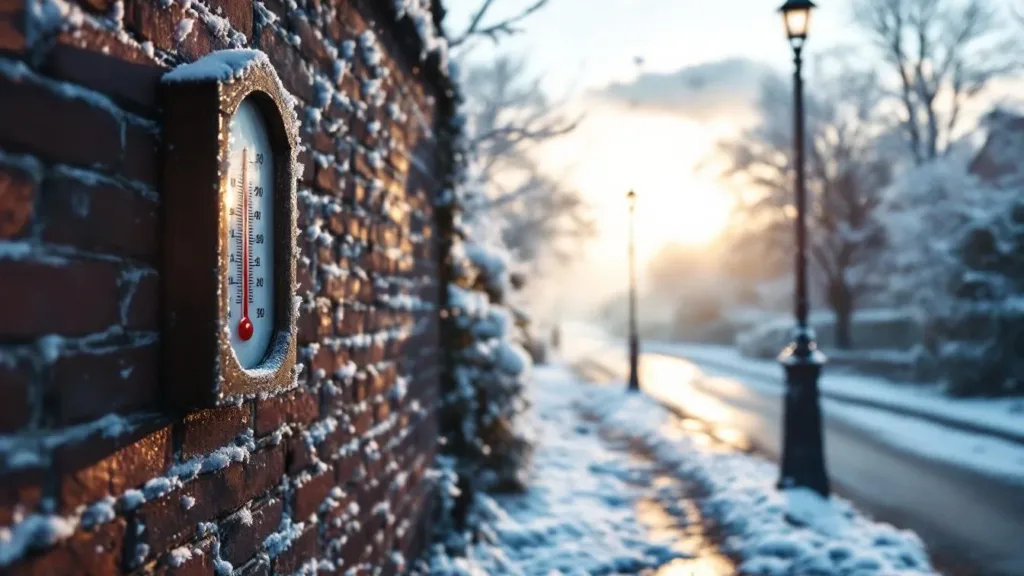
As winter envelops the UK, many people find themselves checking the thermometer only to feel a stark contrast between the actual temperature and their own sense of cold. The reality is that the perception of cold can be influenced by several hidden factors that aren’t immediately apparent. While the mercury might read a reasonable number, several variables can trick the body into feeling much colder than the forecast suggests. For instance, draughts, humidity levels, and personal metabolic rates can all play crucial roles. Understanding these components can help navigate the biting chill more effectively.
Why Does the Thermometer Lie? Exploring Temperature Discrepancies
The discrepancy between actual temperature and subjective experience is often explained by the concept of thermal sensation. This phenomenon encompasses various factors beyond mere air temperature. For instance, the speed of air movement can amplify the cold. A slight breeze on a crisp winter day may cause the skin to feel significantly chillier than it would in still air. Additionally, the body’s own temperature regulation system plays a vital role, meaning individuals might experience winter cold differently based on their overall health, stress levels, or even hydration.
How Body Temperature and Health Affect Cold Perception
Body temperature can fluctuate for various reasons, which may lead to the feeling of being colder than others. For instance, those with lower body fat percentages may not retain heat as efficiently. A slowed metabolism—often aggravated by aging or certain health conditions—can also diminish blood circulation, leading to increased sensitivity to cold. Furthermore, stress and anxiety can cause the body to divert blood flow away from extremities to protect vital organs, leaving fingers and toes susceptible to chilly sensations.
Assessing External Factors: Humidity and Draughts
The impact of humidity on cold perception is frequently underestimated. Higher humidity can make the cold feel even more penetrating, while dry air can feel less harsh. In winter months, central heating often leads to drier indoor environments, which can paradoxically make outdoor cold feel more unbearable when stepping back outside. Moreover, the presence of draughts in homes can create pockets of significantly colder air, exacerbating the discomfort felt indoors.