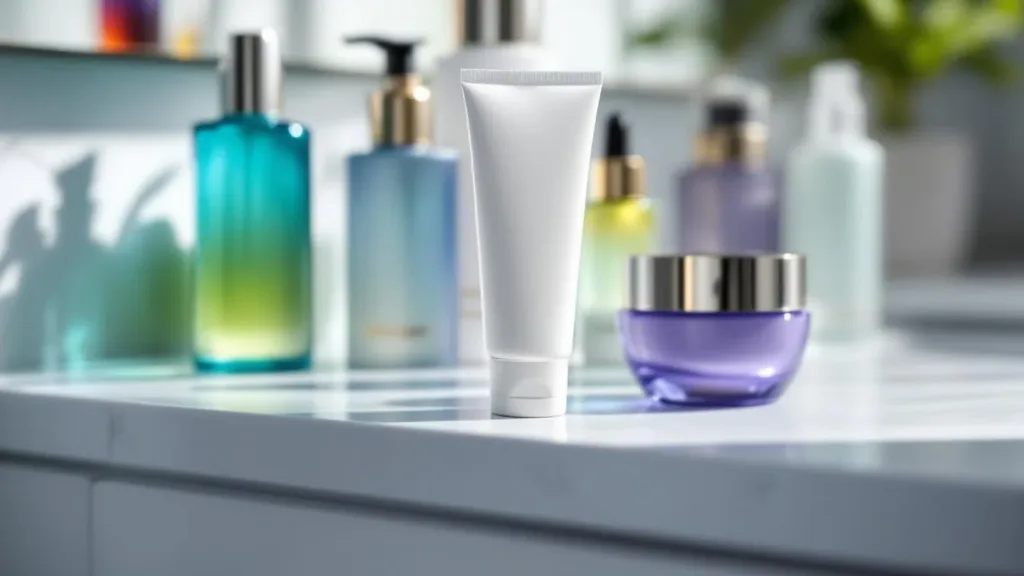

The world of skincare is undoubtedly alluring, particularly when it comes to moisturisers. Many consumers are drawn to expensive moisturisers with the promise of youthful skin encased in luxurious packaging. However, a closer look reveals a different narrative, highlighting that the effectiveness of a moisturiser often hinges more on its ingredients than its price tag. Understanding this dynamic could change the way one approaches skincare, making it essential to evaluate products not just by cost, but by the skin care ingredients they contain and their impact on overall skin health.
Many luxury brands tout unique formulations and exotic ingredients, yet board-certified dermatologists suggest that the same hydration and efficacy can frequently be achieved with basic moisturisers at a fraction of the cost. This raises an important question: does spending more guarantee better results? Often, the answer is no. Instead, a well-informed choice based on skin type and ingredients can lead to healthier skin without breaking the bank.
Understanding Moisturiser Effectiveness: Key Ingredients vs. Price
At the heart of the debate over moisturisers lies the critical understanding of moisturiser effectiveness. Rather than being swayed by marketing claims or extravagant packaging, consumers should focus on a product’s core ingredients. Essential components such as humectants, emollients, and occlusives work together to enhance skin hydration and barrier protection. For instance, ingredients like hyaluronic acid and glycerin pull moisture into the skin, while ceramides and petrolatum create a barrier to prevent evaporation.
Moreover, dermatologists propose that the real value in a moisturiser doesn’t lie in exclusive ingredients, often marketed with significant hype, but rather in the formulation as a whole. Products containing well-researched components can yield skin hydration benefits that rival their luxury counterparts. Thus, understanding this relationship between cost and benefits can empower consumers to make smarter purchasing decisions.
The Price Breakdown: What Influences Moisturiser Costs?
Several factors contribute to the price disparity between luxury and drugstore moisturisers:
- Brand Reputation: Big-name brands often invest substantially in marketing and celebrity endorsements.
- Exotic Ingredients: High-end formulas may include rare extracts, but their effectiveness can vary widely.
- Advanced Technologies: Techniques like liposome encapsulation increase manufacturing costs without guaranteed results.
- Luxurious Packaging: Eye-catching designs and specialized containers add to the overall price but offer no direct benefit to the skin.
Choosing the Right Moisturiser for Your Skin Type
The key to effective moisturisation is understanding one’s skin type. Whether it’s dry, oily, or sensitive, each category requires a tailored approach:
- Dry Skin: Needs richer, cream-based moisturisers with strong occlusives to retain moisture.
- Oily Skin: Opts for lightweight, non-comedogenic formulas to prevent breakouts.
- Combination Skin: Requires a balance—potentially using different products on various areas of the face.
- Sensitive Skin: Seeks fragrance-free options with gentle, soothing ingredients.
Ultimately, a carefully curated routine focusing on the correct ingredients tailored to individual skin needs is far more effective than simply opting for pricier products.
Decoding Dupes: Affordable Alternatives to Luxury Brands
The market is filled with dupes—affordable products designed to mimic high-end formulations. These alternatives often contain similar active ingredients and deliver comparable results, making them a smart choice for budget-conscious consumers. Examining ingredient lists and conducting a little research can unveil multiple viable options without compromising on quality.
With the right knowledge, individuals can succeed in achieving their desired skin outcomes. Such understanding promotes a trend towards sensible spending, ultimately benefitting overall skin health without the unnecessary financial strain.