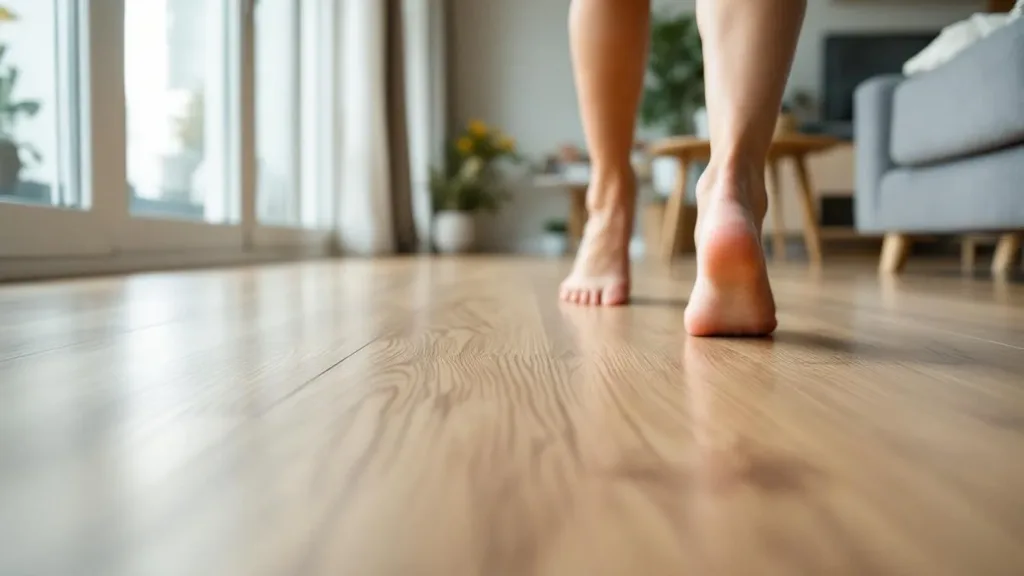
Imagine the delightful feeling of slipping off your shoes after a long day—a simple act that can transcend mere comfort. But beyond the tactile pleasure lies a deeper question: can walking barefoot at home genuinely enhance your health? The answer, supported by insights from physical therapists, reveals a host of benefits that extend far beyond comfort. Walking barefoot engages the intrinsic muscles of the feet, fostering foot strength that often diminishes due to modern footwear. This practice not only promotes balance improvement but also enhances proprioception, the body’s ability to sense its position in space.
The advantages unfold further as barefoot walking encourages better foot mechanics and improves ankle stability. As the soles connect directly with various surfaces—be it cold tile or soft carpets—this intimate engagement may also serve as an unexpected form of therapy, promoting relaxation while reducing stress. However, it’s essential to approach this practice with care, as the potential for minor injuries exists. Thus, understanding both the benefits and the risks allows individuals to make informed decisions on when and how to embrace the freedom of a shoeless environment. The transition to barefoot living at home might just offer a healthy shift in how one experiences movement and stability.
Why Walking Barefoot Enhances Balance
Strong, flexible feet form the foundation of overall stability. Walking barefoot engages the small, often overlooked muscles that help maintain balance. As people walk without shoes, these muscles work harder to support the body, counteracting some of the weakening that occurs with age. This increased strength contributes significantly to balance improvement, reducing the risk of falls and enhancing mobility in daily activities.
Moreover, when one practices walking barefoot, there is an enhancement in proprioceptive feedback—essentially a sharper awareness of body position. This heightened sensitivity can be particularly beneficial for older adults who may struggle with balance. By nurturing this connection, one can enjoy greater confidence and freedom in movement.
Improving Foot Mechanics for Longer-Term Benefits
The mechanics of the foot are altered when wearing shoes, especially those with rigid soles and elevated heels. By allowing the feet to function naturally—without the constraints of shoes—individuals can restore a more natural gait. This shift can lead to improved alignment not just in the feet but throughout the legs, which can have positive effects on overall posture as well.
Consider localised movements: when walking barefoot, each step engages muscles in a manner that promotes better overall functionality. This can alleviate discomfort and prevent issues that stem from years of wearing restrictive footwear. Furthermore, the sensory feedback from the ground beneath the feet can create a positive ripple effect throughout the body’s kinetic chain.
The Unseen Hygiene Benefits of Barefoot Walking
Beyond structural and functional benefits, there’s a hygiene aspect often overlooked. Feet encased in socks and shoes remain in dark, damp environments, creating a breeding ground for issues such as athlete’s foot. Walking barefoot allows the skin to breathe, reducing moisture buildup and thereby helping to maintain healthier skin conditions.
In addition to hygiene, the exposure to various textures can stimulate the nerves in the feet, akin to a massage. Prolonged sensory engagement has been linked to better mental health, suggesting that incorporating barefoot walking into daily routines may offer a dual benefit of both physical and mental well-being.
Potential Downsides to Be Aware Of
While the allure of barefoot living is strong, it’s important to recognise potential downsides. Exposing feet to the environment without any protection can lead to minor injuries from sharp objects, slips, and environmental allergens. Individuals with conditions such as diabetes or specific foot pain should take extra caution, as the risk of unnoticed injuries could lead to more significant health issues.
In light of these factors, moderation is key. Initially, consider limiting barefoot time to clean, safe surfaces and gradually increasing exposure as comfort and stability improve. For those who require support, using indoor footwear with adequate cushioning may strike a balance between comfort and safety whilst still allowing for the benefits of barefoot walking.
Embracing a Barefoot Lifestyle at Home
Making the shift to a barefoot lifestyle can be a conscious step towards enhancing personal well-being. By implementing this practice within the home, individuals can experience an array of benefits from improved foot strength to enhanced posture and increased relaxation. The key lies in listening to one’s body while navigating this new terrain. As you begin this journey, start slow and pay attention to feedback from your own feet. You may just find that leaving those shoes behind is more than a comfort—it’s a profound step towards better health.