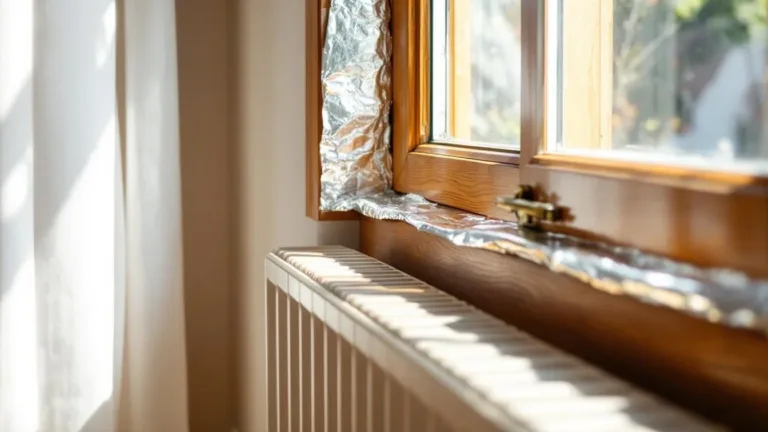

Feeling chilly despite cranking up the heating system is a common frustration as winter envelops many parts of the UK. Experts highlight that persisting sensations of cold might not simply be a matter of inadequate warmth in your environment. Instead, these feelings could stem from complex interactions between your body’s thermoregulation, circulation, and even metabolic processes. Various factors influence how effectively your body conserves heat, which can leave you reaching for yet another layer even on seemingly mild days. Understanding these underlying causes is crucial in determining whether lifestyle adjustments are necessary or if it’s time to seek medical advice.
Common Causes Behind Persistent Cold Sensations
Many factors contribute to a constant feeling of cold, each intertwined with how your body operates. Here are some prevalent reasons:
- Anemia: A common culprit, this condition arises when the body lacks sufficient healthy red blood cells, leading to decreased oxygen transport. Those with iron deficiency anemia may particularly struggle with chronic coldness.
- Poor Circulation: Conditions such as peripheral artery disease and Raynaud’s phenomenon can restrict blood flow to extremities, resulting in icy hands and feet.
- Hypothyroidism: An underactive thyroid gland can slow your metabolism and reduce heat production, leaving you feeling perpetually cold.
- Low Body Fat: Fat serves as an insulator, so reductions in body weight or significant exercise regimens can increase sensitivity to cold.
- Hormonal Changes: Fluctuations in hormones during periods such as perimenopause can disrupt your body’s heat regulation.
- Nutritional Deficiencies: Insufficient levels of B vitamins, iron, or magnesium can impair energy metabolism and nerve function, contributing to feelings of cold.
When to Seek Medical Advice
It’s essential to distinguish between occasional coldness and persistent symptoms that may indicate underlying health issues. Consult a healthcare professional if you experience:
- Cold sensations accompanied by unexplained fatigue, dizziness, or pale skin.
- Persistent numbness or tingling in extremities.
- Sudden weight loss or alteration in appetite.
- Irregular menstrual cycles or other signs of hormonal imbalance.
- New or worsening mood changes alongside coldness.
Recognizing these red flags can lead to timely interventions and better management of any underlying conditions.
Strategies to Combat Cold Sensitivity
While a medical evaluation is vital if symptoms persist, there are practical strategies to help mitigate the cold, enhancing both comfort and health:
- Layer Clothing: Choose multiple layers as this traps air and provides better insulation.
- Maintain Active Circulation: Regular physical activity boosts blood flow, helping to warm extremities.
- Optimize Nutrition: Ensure your diet includes iron-rich foods and adequate vitamins to support blood health and energy metabolism.
- Manage Your Environment: Consider adjusting the temperature settings of your home to find an optimal, comfortable level.
Understanding Your Body’s Heat Regulation
The human body works tirelessly to maintain an optimal internal temperature, a process finely tuned by various systems including your thyroid, hormonal balances, and metabolic rate. If these systems falter, whether due to health conditions or environmental factors, the result can be a chilling experience even within heated spaces. Engaging with your body’s signals and addressing them thoughtfully can significantly enhance daily comfort and overall health.