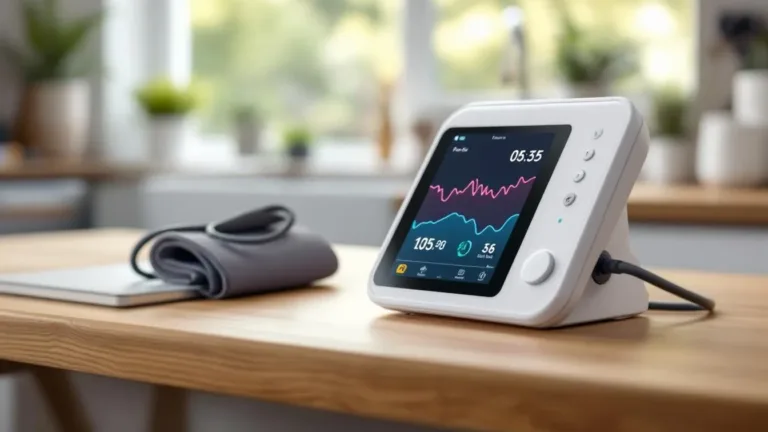
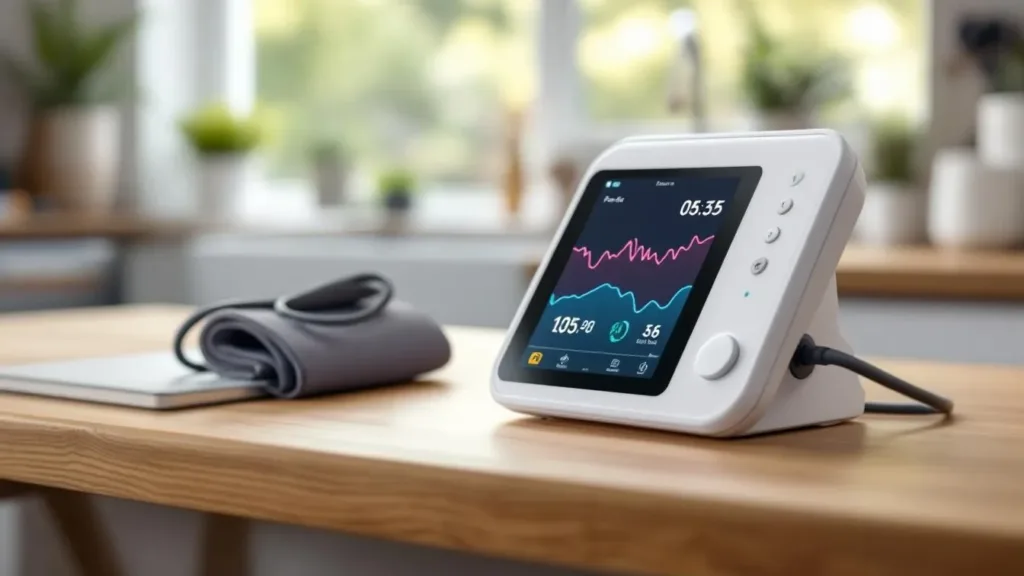
In an age where personal health is increasingly taking centre stage, monitoring metrics like blood pressure at home has become a common practice for many individuals. However, despite the convenience, numerous pitfalls can skew the accuracy of these readings. A recent self-monitoring experience highlighted a significant gap in understanding and technique. After diligently tracking blood pressure for 30 days, it became clear that advice from a GP was essential in identifying common measurement errors associated with at-home assessments.
The journey began with the aim of maintaining optimal health through daily tracking. Many assume that purchasing a blood pressure monitor and using it routinely is enough to keep tabs on their health. Yet, this approach overlooks crucial factors required for precise readings, such as the technique of self-monitoring, the right timing, and environmental influences. As this case illustrates, simple oversights in the measurement process can distort results, putting individuals at risk of overlooking potential hypertension.
Understanding Blood Pressure Readings at Home
Home monitoring of blood pressure can provide a useful window into one’s cardiovascular health. The typical reading is expressed in millimeters of mercury (mmHg) and is recorded as two numbers, with the first (systolic) over the second (diastolic). Properly interpreting these values involves recognising what constitutes a normal reading. Anything above 140/90 mmHg may indicate hypertension and requires further attention.
Common Mistakes in Home Monitoring
A significant portion of inaccurate readings stems from simple yet critical errors. Here are essential practices to follow to ensure reliable results:
- Timing: Always measure blood pressure at the same time daily, preferably in the morning and evening, to account for variations.
- Positioning: Sit comfortably with your back supported and feet flat on the ground. Rest for at least five minutes before measuring.
- Equipment: Use a clinically validated monitor calibrated for your arm size. Mismatched cuff sizes can lead to erroneous results.
- Data tracking: Maintain a log of readings to identify trends over time rather than relying on sporadic measurements.
Consultation with a GP: The Game Changer
Consulting with a healthcare professional can bridge the gap between self-assessment and accurate diagnosis. GPs often provide tailored advice about home monitoring, ensuring that individuals understand their unique health parameters and the implications of their readings. A simple clinic visit can clear up any confusion around result interpretation and necessary lifestyle changes.
Benefits of Proper Blood Pressure Management
Effective management of blood pressure not only optimises health but also lowers the risk of heart disease, stroke, and other complications. With proper techniques and a consistent monitoring schedule, individuals can take proactive steps towards a healthier future. Self-management, coupled with professional advice, leads to better health outcomes and empowers individuals in their healthcare journeys.
Understanding the nuances of blood pressure monitoring can transform personal health management. So, ensure that each measurement is taken seriously, and don’t hesitate to seek GP advice on the best practices for accurate readings.