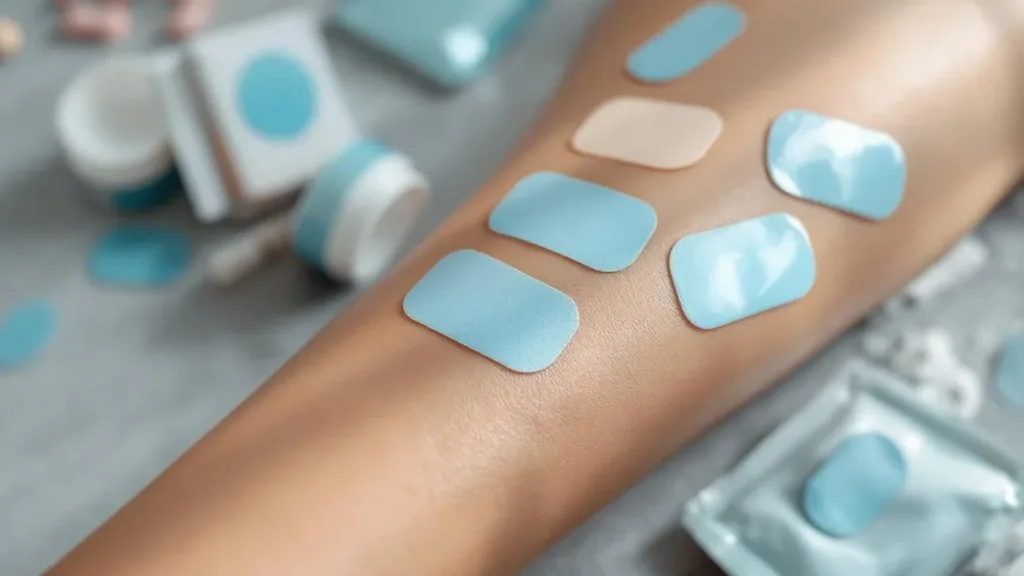
In an age where wellness trends are constantly evolving, wellness patches have become a noteworthy addition to the arsenal of health enthusiasts. These small, sticky patches promise to deliver various benefits—from boosting energy to easing anxiety—through skin absorption of vitamins, minerals, and herbal extracts. With a market projected to grow significantly in the coming years, curiosity around their effectiveness is at an all-time high. However, the question remains: do these wellness patches truly work? And what do dermatologists say about their patch efficacy?
Wellness patches have gained traction as a convenient alternative to traditional supplements, appealing to those who prefer a less invasive approach to health. The idea is straightforward: by applying a patch to the skin, nutrients can be absorbed directly into the bloodstream, purportedly bypassing the digestive process entirely. This model seems appealing, especially for those who struggle with swallowing pills or who seek a steady release of vitamins throughout the day. Interestingly, though many patches boast vibrant designs and attractive colours, the science behind their transdermal delivery is more complicated than it appears.
What Dermatologists Say About Nutrient Absorption
According to experts, the human skin barrier is a sophisticated protective layer, and not all compounds can effectively penetrate it. While some substances can be absorbed, such as caffeine and certain vitamins, many wellness patches include ingredients that may not be physiologically effective through this route. For instance, dermatologists often mention that while the concept of delivering nutrients via patches is grounded in scientific possibilities, the majority of patches on the market do not have sufficient evidence to demonstrate that they work as intended.
The Role of Ingredients in Wellness Patches
The effectiveness of wellness patches largely depends on their ingredients. Many contain caffeine for energy, when users are looking for a quick pick-me-up. Others claim to help with sleep and relaxation, usually incorporating herbal extracts like ashwagandha. However, the variance in individual responses means that what aids one person may not work for another.
Furthermore, the dosage of active ingredients in patches can often be quite low. For example, while a patch might claim to deliver a specific vitamin, it may not be sufficient to achieve noticeable effects. Hence, relying exclusively on these patches without other healthy practices may not yield desired results.
The Convenience Factor and Placebo Effect
One major draw of wellness patches is their convenience. Users simply apply them and go about their day, which is a refreshing change from traditional supplement regimens. However, this ease of use can also contribute to a placebo effect where individuals may feel benefits simply because they believe they are doing something positive for their health. John Tregoning, an immunology professor, noted that these patches might make one feel better just by the act of placing one on the skin.
This phenomenon raises important questions regarding the reliance on such products. When considering wellness patches, lifestyle factors like diet, exercise, and mental health cannot be overlooked. The desire for quick fixes can undermine the more comprehensive approaches needed for genuine improvements in wellbeing.
Understanding the Limitations
Though some users report that patches helped alleviate symptoms like fatigue or menstrual cramps, the scientific community remains cautious. Dermatologists warn against viewing wellness patches as a one-stop solution for health concerns. Instead, they recommend seeing these patches as a supplementary measure rather than a substitute for medical advice or treatment.
As we look forward, understanding the true benefits of wellness patches requires a balanced view. While they offer an intriguing option in the ever-expanding wellness industry, users should be armed with realistic expectations and a commitment to holistic health. Ultimately, sources of nourishment and wellbeing should encompass a broad spectrum of practices beyond what a small sticker can provide.