
As people reach the age of sixty and beyond, the pursuit of youthful skin often leads to a focus on anti-ageing products. However, dermatologists increasingly highlight a fundamental shift in priorities: skin hydration. As the skin matures, it takes on a different set of challenges, making adequate moisture retention even more crucial for maintaining a healthy complexion. With natural oil production and hyaluronic acid levels declining, dryness becomes a common complaint, leading to visible signs of aging. This leads to a compelling question: why has hydration taken centre stage in discussions around skin health as we age?
Understanding the unique challenges faced by mature skin is essential. The outer epidermis thins, reducing its ability to hold moisture, while environmental elements and extended exposure to sun damage exacerbate issues. Recent studies, including findings published in the British Journal of Dermatology, underline that over 60% of premature signs of aging, such as fine lines and dullness, stem from impaired skin barrier function related to dehydration. Thus, it’s a wake-up call for anyone struggling with skin health, revealing that moisture is not just a luxury—it’s a necessity.
Understanding the Importance of Hydration Over Anti-Aging Products
As skin loses its ability to retain moisture due to the decline in natural oils and hyaluronic acid, the importance of hydration becomes increasingly clear. Aging skin not only shows dryness but also a lack of elasticity, making hydration essential for maintaining its resilience and youthful appearance. Dermatologists urge individuals over sixty to prioritise hydrating ingredients over the multitude of anti-ageing products that flood the market.
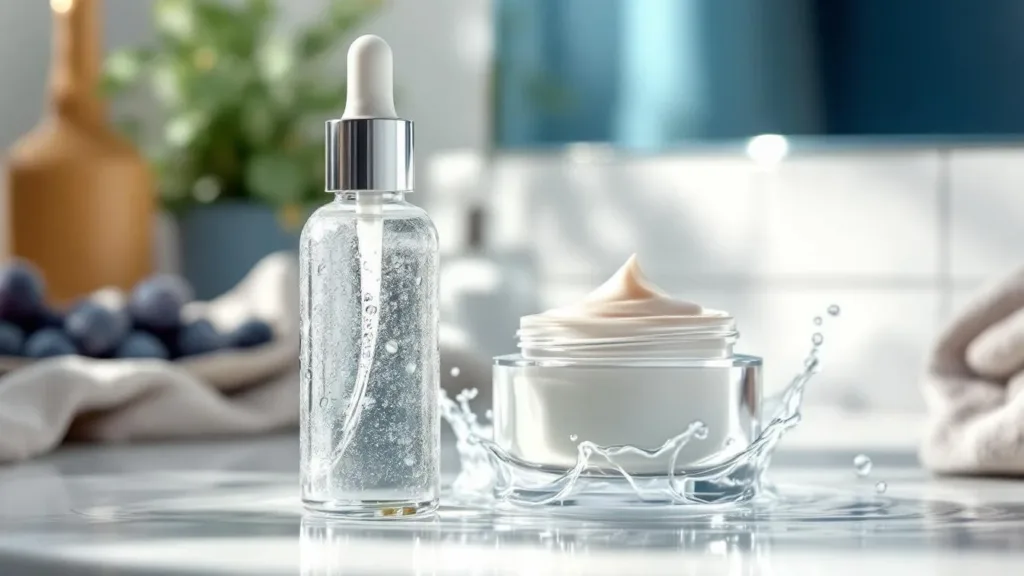
Many traditional moisturisers only address surface dryness, leaving deeper layers of skin unprotected. Products that incorporate advanced hydration technologies are now recommended, moving beyond simple moisture retention. For example, hyaluronic acid serums can significantly improve skin texture and elasticity, demonstrating that a focus on intensive moisture can often yield better results than timeworn anti-ageing creams.
The Mechanisms Behind Hydration Loss
The mechanistic reasons for hydration loss are multifaceted. The skin naturally produces fewer oils as one ages, leading to a diminished barrier function. This deterioration enables moisture to escape easily, leaving the skin dry and vulnerable. Additionally, the loss of hyaluronic acid—a molecule that can retain up to 1000 times its weight in water—leads to increased dryness and the formation of fine lines.
Environmental factors such as pollution and sun damage further complicate matters. Years of exposure contribute to a compromised skin barrier that struggles to maintain natural hydration levels. Therefore, understanding the science behind these changes is crucial for making informed decisions about skincare.
Strategies for Enhancing Skin Hydration
To keep skin looking youthful and vibrant, a comprehensive hydration strategy is essential. Below are key methods to improve moisture retention:
- Implement a Gentle Cleanser: Opt for non-stripping cleansers that prepare the skin without removing essential oils.
- Use a Potent Moisturiser: Creams with hyaluronic acid are pivotal. They not only hydrate but also help rebuild the skin barrier.
- Focus on Internal Hydration: Hydrating foods and adequate water intake support skin health from within.
- Utilise a Humidifier: This helps combat dry indoor air, especially during colder months.
- Protect with Sunscreen: Consistent sun protection prevents additional moisture loss and skin damage.
Final Thoughts on Holistic Skin Health
The simple yet profound truth remains: hydration is central to achieving healthy, vibrant skin as one ages. By recognising the physiological changes that occur and implementing targeted hydration strategies, individuals can counteract the signs of aging effectively. Dermatologists advocate for a lifestyle shift where hydration takes precedence over traditional anti-ageing solutions. Ultimately, nurturing skin health through hydration supports not just appearance but overall well-being, adapting skincare routines to mirror the body’s evolving needs.