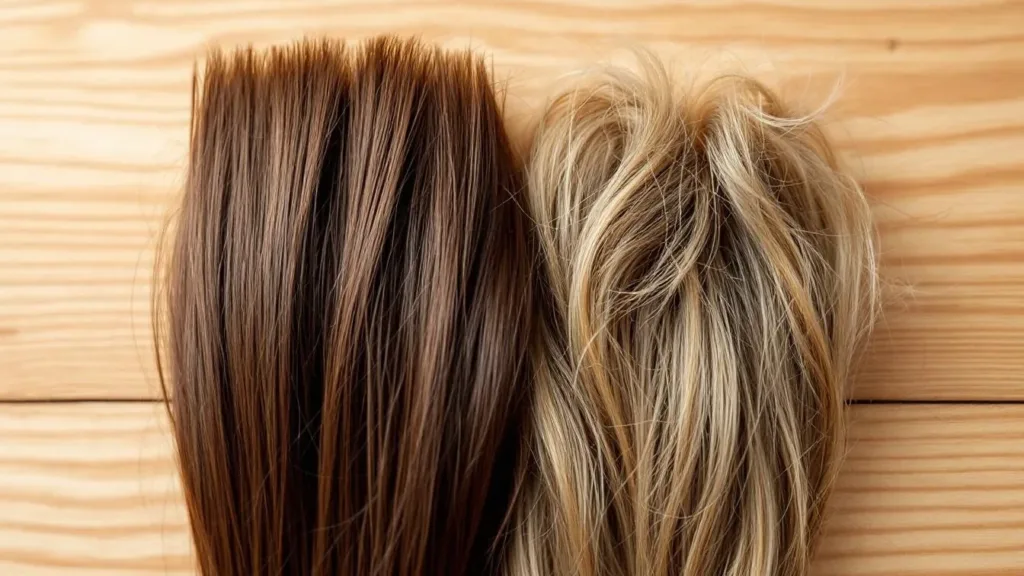
As people transition through different stages of life, various aspects of their bodies evolve, and hair texture is no exception. The changes in hair texture and structure as one ages can be surprising, often leading to unexpected challenges in maintaining hair health. Factors such as hormonal fluctuations, environmental changes, and lifestyle habits play pivotal roles in altering both the inward and outward characteristics of hair. For instance, while younger individuals often enjoy a vibrant, supple mane, others may notice a shift towards rougher, thinner, or greyer strands as they age. Understanding these shifts is essential for developing an effective hair care and maintenance routine. Adapting to these changes can significantly enhance hair’s appearance and manageability, promoting confidence and self-esteem.
The Science Behind Hair Texture Changes as We Age
Hair texture changes with age due to several interconnected factors. One major contributor is the decline in hormone production, particularly oestrogen and testosterone. These hormones influence hair growth cycles and overall hair vitality. As oestrogen levels decrease, hair follicles may shrink, resulting in thinner strands and altered texture. Additionally, the aging effects of UV exposure and environmental aggressors can exacerbate dryness and brittleness, further altering hair’s physical form and feel.
Another significant aspect is genetics. Individuals may inherit characteristics related to aging hair, including natural greying or changes in curl patterns. These genetic predispositions, combined with lifestyle choices—such as diet, stress levels, and hydration—can create a complex tapestry of how hair responds to the passage of time. Understanding these biological foundations empowers consumers to take proactive steps in tailoring their hair routine.
Adapting Your Hair Routine to Changing Textures
With knowledge comes the power to implement change. A thoughtful approach to adapting hair routines can significantly improve the manageability and health of aging hair. Here are practical strategies to consider:
- Hydration is Key: Incorporate moisturising shampoos and conditioners designed for dry or aging hair. Look for products with ingredients such as hyaluronic acid or argan oil that lock in moisture.
- Limit Heat Styling: Excessive heat can exacerbate damage. Instead, explore heat-free styling methods or apply a heat protectant when necessary.
- Regular Trimming: Frequent trims can help manage split ends and keep hair looking healthy and full, regardless of texture changes.
Choosing the Right Hair Products for Different Textures
As hair texture changes, so too should the choices of hair care products. For those experiencing increased dryness, switching to richer, cream-based products can be beneficial. Conversely, individuals with oilier roots may require lighter formulations to maintain balance without weighing down the hair. Tailoring products to specific needs ensures that each application serves to nourish and enhance hair’s natural beauty.
It is also advantageous to explore the benefits of leave-in conditioners or deep conditioning treatments, which provide an additional layer of moisture and protection against environmental stressors. These products not only support hair maintenance but also foster a smooth texture, making hair easier to manage and style.
The Role of Nutrition in Hair Health
Finally, never underestimate the impact of diet on hair health. Nutritional deficiencies can manifest in hair quality, potentially exacerbating issues arising from ageing. Ensuring adequate intake of vitamins and minerals, particularly Biotin, Zinc, and Omega-3 Fatty Acids, can promote healthier hair growth and improve overall texture.
Engaging in a balanced diet rich in lean proteins, fruits, and vegetables aids not only general health but also specifically benefits hair resilience. By combining mindful eating habits with appropriate hair care practices, individuals can navigate their hair journeys with grace and confidence.