When it comes to maintaining youthful, radiant skin, the conversation often revolves around pricey creams and advanced treatments. However, hydration emerges as a paramount factor capable of dramatically influencing skin elasticity. Surprisingly, many anti-ageing products fail to deliver the same holistic benefits that adequate moisture can. The skin is a complex organ relying heavily on its water content to maintain structural integrity, and as hydration levels diminish, the appearance of fine lines, wrinkles, and sagging skin becomes more pronounced. Understanding the profound relationship between hydration and skin elasticity can unlock a pathway to a more youthful complexion, making hydration the unsung hero in the quest for enduring skin health.
The Science Behind Hydration and Skin Elasticity
A vital aspect of skin health is its biomechanical properties, including elasticity and firmness, which are directly influenced by water content. Well-hydrated skin retains structural proteins—collagen and elastin—in optimal condition, allowing for desirable stretch and recoil. This moisture helps to diminish the visibility of fine lines and wrinkles. In contrast, dehydration leads to a brittle texture, increased fragility, and a heightened risk for micro-tears that compromise skin integrity.
Research indicates that maintaining optimal hydration levels is essential for preserving tissue flexibility and strength. As water diminishes, so does the skin’s ability to bounce back, resulting in a more aged appearance.
How Dehydration Accelerates Ageing Skin
The effects of dehydration on the skin are multifaceted and alarming. When skin loses moisture, its elasticity falters, leading to dullness and increased visibility of wrinkles. Chronic dehydration accelerates natural ageing by heightening the breakdown of collagen and elastin, key components for skin elasticity. Additionally, the skin’s barrier function weakens, making it more susceptible to environmental stressors like UV rays and pollution, which further exacerbate signs of ageing.
Notably, as skin ages, its ability to retain moisture diminishes due to the declining levels of hyaluronic acid and other vital substances. This loss may contribute to a vicious cycle of dehydration and accelerated within a few years, underscoring the critical need for hydration in skincare routines.
The Role of Hyaluronic Acid in Skin Hydration
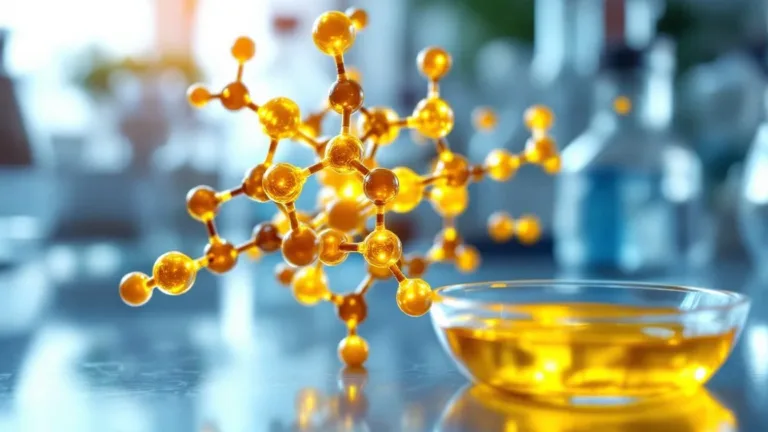
Hyaluronic acid (HA) stands out as a key player in the quest for hydrated skin. This naturally occurring glycosaminoglycan binds vast amounts of water—up to 1000 times its weight—ensuring skin remains moist and elastic. Topical formulations containing HA have become increasingly popular for hydrating the skin, improving elasticity, and filling fine lines. Furthermore, HA is significant during wound healing, as it enhances cellular activity and tissue regeneration. Utilizing products infused with hyaluronic acid can drastically improve overall skin texture and reduce signs of ageing, reinforcing hydration’s central role in skin health.
Practical Tips for Enhancing Skin Hydration
Recognising the signs of dehydration—such as dry skin, fatigue, or dull complexion—and responding promptly with hydration strategies can make a significant difference in skin appearance and health.