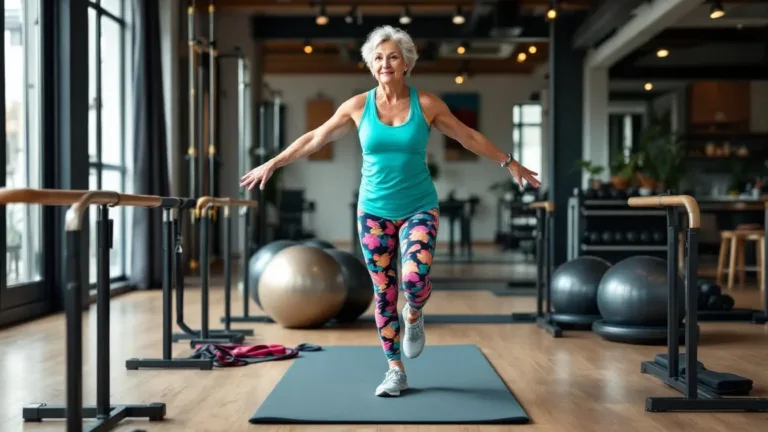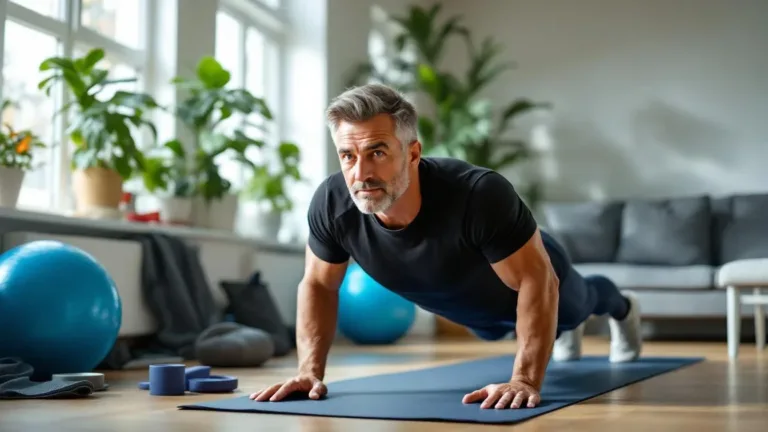
The increasing trend towards low-impact exercise reflects a significant shift in how fitness is perceived and approached. With an ever-growing number of individuals seeking sustainable ways to incorporate movement into their daily lives, low-impact workouts have emerged as the ideal solution for many. Unlike high-intensity workouts, which can be taxing on the body and often associated with injury risk, low-impact exercise offers inclusivity and accessibility, catering to people across various fitness levels. Contrary to misconceptions, low-impact routines aren’t simply for those recovering from injuries; they provide legitimate cardiovascular and strength benefits while promoting joint health and exercise adherence.
The benefits extend beyond mere physical outcomes. Many find that low-impact workouts contribute positively to mental well-being, enhancing feelings of accomplishment and reducing exercise-related anxiety. Activities like walking, swimming, or cycling not only fit easily into hectic schedules but also encourage a more relaxed and enjoyable approach to fitness. This dynamic has been particularly attractive in an era where sustainability is key; low-impact exercise nurtures long-term commitment without the fear of burnout or injury. The growing popularity of these routines signals a much-needed evolution in the fitness landscape, where gentle yet effective movement prevails.
Understanding High-Impact vs. Low-Impact Exercise
High-impact exercises are those that involve jumping and significant stress on the joints, often resulting in high energy expenditure. While they can yield greater calorie burns in a shorter time, the strain they impose can be considerable, especially for beginners or those with past injuries. The body absorbs roughly ten times its weight during such movements, which can lead to discomfort or injury if not approached judiciously.
In contrast, low-impact exercises incorporate movements that keep at least one foot on the ground, making them ideal for individuals prioritising joint health. Activities such as cycling, swimming, or simply walking engage the cardiovascular system without overwhelming the body. They can be easily adjusted to match an individual’s fitness level, ensuring that everyone can participate and benefit regardless of their starting point.
The Appeal of Low-Impact Workouts
Several factors make low-impact workouts appealing, particularly in an age where many seek to balance fitness with wellbeing:
- Joint health: Lower stress on joints reduces the risk of injury, making these workouts suitable for older adults and those with existing conditions.
- Beginner friendly: Newcomers can ease into an exercise routine without the intimidation that often accompanies high-intensity training.
- Exercise adherence: Enjoyable and accessible workouts encourage long-term commitment to regular movement.
Enhancing Heart Health and Overall Fitness
The link between low-impact exercise and improved cardiovascular health is well-documented. Activities promoted through this modality not only strengthen the heart but also improve circulation and endurance. Over time, consistent participation leads to enhanced capacity for more vigorous workouts, paving the way for a balanced fitness regime.
Moreover, engaging in regular low-impact exercise nurtures a foundation for strength building. Simple bodyweight exercises, like squats, lunges, or push-ups, can be modified to accommodate various fitness levels while fostering muscular endurance and stability.
Making Movement a Daily Habit
Incorporating low-impact exercises into everyday life doesn’t require a gym membership or equipment. Simple changes, such as opting for stairs over elevators, walking during phone calls, or engaging in stretching during short breaks, create opportunities for movement. These practices exemplify the concept of sustainable fitness, promoting a lifestyle of activity that transcends merely scheduled gym sessions.
Ultimately, low-impact exercise champions the idea that all movement is beneficial. As more individuals embrace a less rigid and more mindful approach to fitness, the conversation around what makes a workout effective continues to evolve.