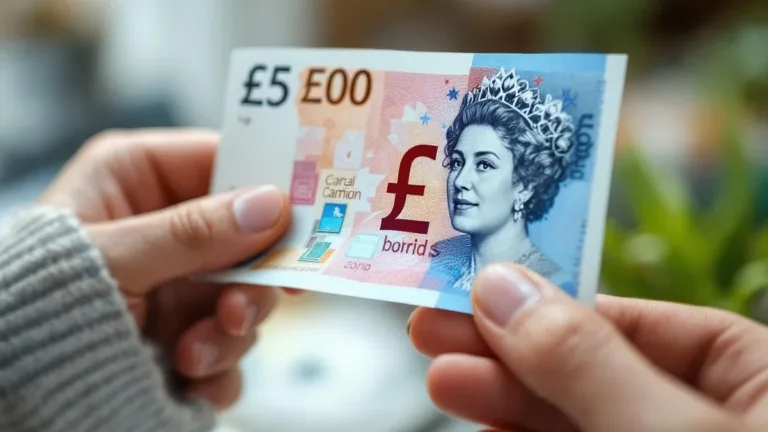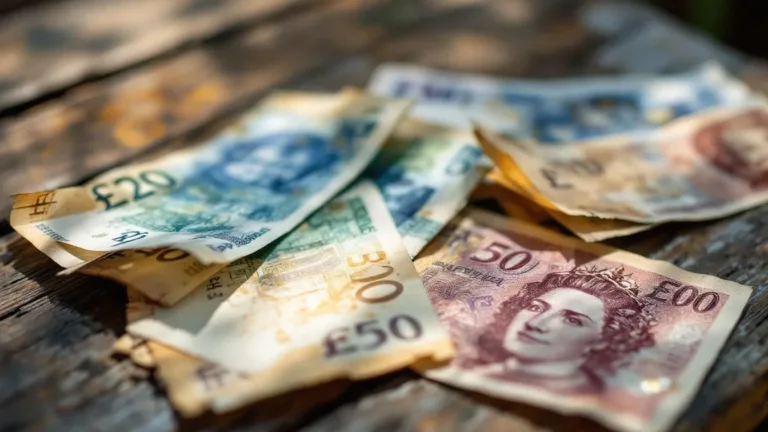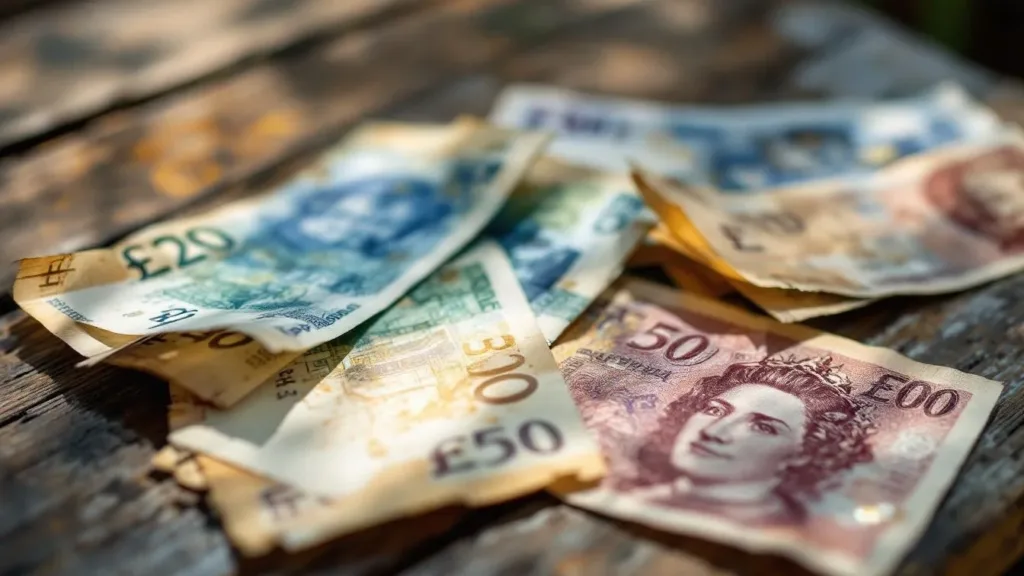
As of September 30, 2022, the use of older £20 and £50 paper notes has officially come to an end, marking a significant transition in the UK’s currency landscape. With the introduction of more secure polymer notes, the Bank of England has phased out these older notes, making them no longer valid for shop payments. This shift aims not only to enhance security and durability but also to combat counterfeiting. As many as £6.6 billion worth of these outdated notes continue to circulate among the public, raising the question: what will happen to those holding on to these expired money?
The transition from traditional paper to polymer notes began with the new £20 note featuring the renowned artist JMW Turner in February 2020, followed by the £50 note celebrating codebreaker Alan Turing in June 2021. These new designs enhance security features and offer a longer lifespan compared to their paper counterparts, which had been in circulation for decades. The public’s awareness of this currency change has grown, yet many may still remain confused about what to do with their old paper £20 and £50 notes now deemed invalid.
The Legal Context of Paper Notes in the UK
Legal tender laws dictate what money can be used to settle debts. In the UK, only Royal Mint coins and Bank of England notes are recognised as such. This status is important; once £20 and £50 paper notes lost their legal tender status, they could no longer be used for normal shop payments. The Bank of England has provided clear guidelines, encouraging anyone still in possession of these notes to either spend or deposit them as soon as possible.
For those who missed the deadline, the Bank of England offers options to exchange old notes. These can be done via bank deposits, Post Office exchanges, or by mailing the notes directly to the Bank along with proper identification. Interestingly, this withdrawal of paper notes has created a market where some might seek rare or collectable notes, making old banknotes potentially valuable beyond their face value.
What to Do with Old Notes
Although the old paper £20 and £50 notes are no longer accepted in shops, they can still be exchanged at various financial institutions. Here are some practical steps to consider:
- Deposit at Bank: Most banks will allow customers to deposit old paper notes directly into their accounts. This is the simplest way to exchange them.
- Visit the Post Office: For those without a bank account, numerous Post Office branches can facilitate exchanges, accepting old notes for new polymer ones.
- Mailing to the Bank of England: If individuals prefer to send their old notes by mail, they must include proof of identity and follow the Bank’s specific guidelines for postal exchanges.
The Future of Cash Spending in the UK
The withdrawal of paper notes is a significant step in the ongoing evolution of cash and currency spending. With an increasing trend towards cashless payments, this development raises discussions around accessibility and consumer habits. For those accustomed to using cash, this transition may create challenges, as fewer places accept physical currency while digital and contactless payments gain traction.
This change serves as a reminder that financial practices are continuously evolving, and awareness of the bank policy regarding notes and currency is essential. As society embraces new technologies, understanding the implications of these changes on personal finance will be crucial for adapting to the future economic landscape.