Lower back pain is a widespread issue affecting countless individuals, often stemming from daily habits such as prolonged sitting, poor posture, or improper lifting techniques. Recent insights reveal that while stretching is beneficial, posture exercises play a crucial role in providing quicker and more effective relief. This shift in focus from mere stretching to strengthening and aligning the spine could redefine how chronic pain is managed. By adopting tailored exercises that not only enhance muscle strength but also promote spinal alignment, individuals can significantly alleviate discomfort and prevent further injury.
Numerous studies indicate that strengthening the muscles that support the spine—rather than just stretching them—lays a robust foundation for long-term recovery. Exercises specifically targeting the core, back, and hips can lead to better mobility, reduced tension, and improved overall function. For example, exercises like the bridge and pelvic tilt not only strengthen the lower back but also encourage proper posture by engaging the entire musculoskeletal system. This comprehensive approach ensures that individuals not only experience pain relief rapidly but also fortify their bodies against potential injury.
The Role of Posture in Back Health
Good posture is crucial in mitigating back pain. When individuals maintain an aligned spine, they distribute weight evenly across muscles and ligaments, reducing undue strain. This balance allows for improved blood flow and nutrient delivery to the muscles, facilitating healing. Poor posture, on the other hand, leads to muscle imbalances, increased load on the spine, and ultimately, chronic pain.
Understanding Muscle Strength and Flexibility
While flexibility through stretching is important, relying solely on it often overlooks the need for muscle strength. Strong muscles act as a support system for the spine, ensuring stability and minimizing the risk of injury. Integrating strengthening exercises into routines not only aids in alleviating current discomfort but also helps in building a resilient body less prone to future issues.
Effective Posture Exercises for Pain Relief
Incorporating specific exercises into daily routines can make a significant difference in back health. Some of the most effective include:
- Knee-to-Chest Stretch: This helps elongate the lower back and relieve tightness.
- Bridge Exercise: Strengthens the glutes and lower back, promoting stability.
- Pelvic Tilts: Helps increase mobility in the lumbar region.
These exercises not only enhance flexibility but also improve core and back strength, offering greater support to the spine over time.
Incorporating Rehabilitation Techniques
For those already experiencing back pain, rehabilitative exercises are key to recovery. Exercises like tai chi, yoga, or Pilates promote not only flexibility but also an understanding of body mechanics which is essential for long-term pain management. Engaging in these practices helps in recalibrating the body and enhancing overall performance.
Preventing Future Back Issues
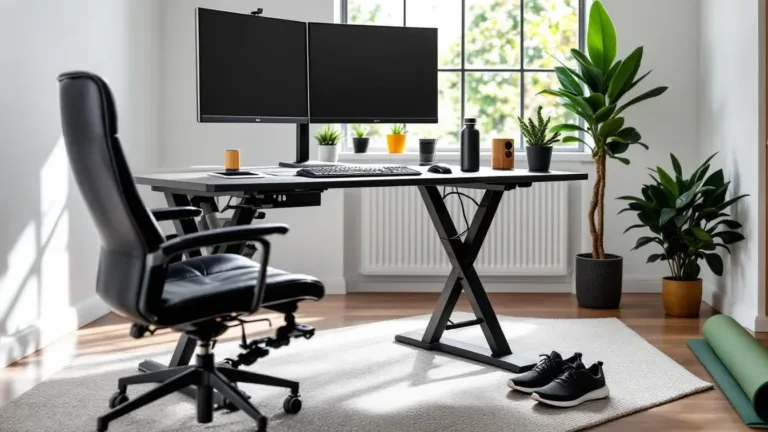
Taking proactive steps to ensure proper posture in daily activities is essential for long-term back health. Regularly practicing exercises that strengthen and stabilize the core and back can lead to sustained relief from pain and improved overall health. Making conscious efforts to maintain ergonomic workspaces and taking breaks to stretch can complement these exercises effectively.