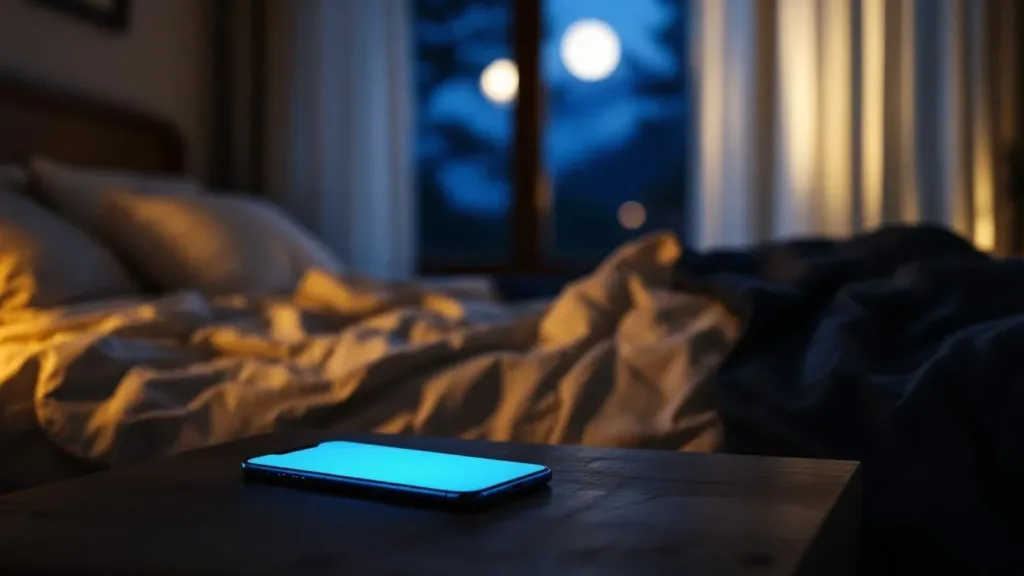

In an age where digital devices dominate our lives, unintentionally engaging in a late-night scrolling routine has become all too common. Research increasingly reveals that the impact of such behaviour on sleep may run deeper than the well-debated effects of screen brightness. A recent study involving over 45,000 university students in Norway highlights that spending an hour on screens after bedtime raises the risk of insomnia by a staggering 59%. This indicates that it’s not merely the blue light from devices disrupting our sleep, but rather the activity itself and the time it consumes.
The phenomenon of time displacement emerges as a critical factor; late-night scrolling pushes genuine rest to the backburner. Despite popular belief that social media is the main offender, findings suggest that the type of content viewed holds less significance than the duration of screen time itself. As students juggle academic pressures and personal lives, the chaotic interplay of late-night notifications and scrolling elevates stress levels, triggering a cascade of physiological responses that hinder sleep quality.
The Misconception of Blue Light
Recent evidence challenges the long-standing belief that blue light is the primary culprit undermining our sleep. Researchers point out that personality traits, individual screen habits, and what content is consumed can play more significant roles. For some, engaging with screens before sleep may exacerbate anxiety or hyper-focus—patterns that prevent the relaxation needed for sleep. While blue light filters and dimming screens can help, they are not panaceas.
Sleep Quality and Its Relation to Screen Use
The connection between screen use and compromised sleep quality is becoming clearer. The nightly ritual of scrolling can lead to shortened sleep duration, creating a vicious cycle; less sleep can mean decreased self-control, making users more likely to rely on screens. Sleep researchers emphasise the importance of recognising the signals from our bodies. Ignoring fatigue in favour of that last minute of scrolling can ultimately cost us valuable rest.
Strategies for Better Sleep Hygiene
Implementing simple yet effective strategies can significantly improve sleep hygiene. Experts recommend establishing a bedtime routine that involves winding down without screens. This could include activities such as reading a book, meditating, or simply journaling thoughts from the day. Setting boundaries on screen time by designating a cut-off period—ideally 30 to 60 minutes before sleep—can also enhance restfulness.
Emotional Regulation through Technology
While some may view screen interaction before bed as detrimental, it can also serve as a tool for emotional regulation. Engaging with calming content such as ASMR videos or guided meditations can help some individuals transition to sleep more smoothly. However, balance is key; users should be mindful of the content they engage with to sidestep the pitfalls of anxiety-inducing material.
Conclusion: The Path to Enhanced Rest
As technology integrates further into our daily lives, understanding its impact on sleep becomes paramount. The evidence suggests that reducing screen time before bed, focusing on content that promotes relaxation, and establishing a calming pre-sleep routine could yield profound benefits for sleep quality. Ultimately, making informed choices about nightly habits can pave the way for better mental and physical health.