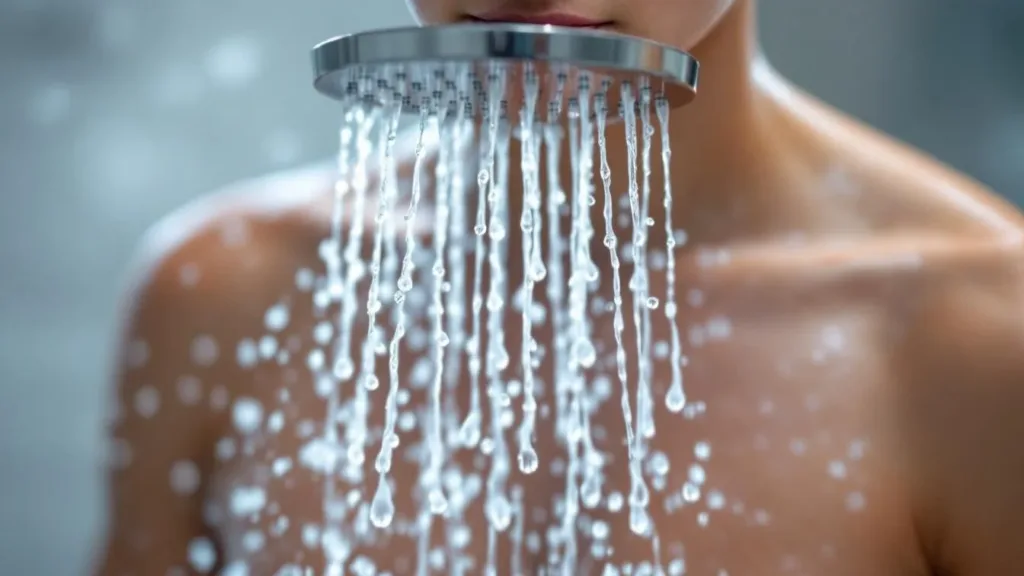

The temperature of your shower may hold more influence over your skin’s health than the products you choose to use. As the chill of winter sets in, many people gravitate towards hot showers for comfort. However, this comforting routine can have unintended consequences on skin moisture and the delicate skin barrier. At a time when skin may already be struggling against harsh environmental conditions, understanding the complexities of water heat becomes essential for maintaining healthy skin.
Hot water, while soothing, can strip the skin of its natural oils and disrupt its protective barrier. This leads to increased dryness, irritation, and even a compromised skin microbiome, which maintains the skin’s immune balance. Over time, the effects of frequent hot showers can result in signs of skin ageing, such as fine lines and rough texture. The delicate balance between comfort and skin health raises an important question: is the allure of hot water worth the potential long-term damage?
The Impact of Hot Showers on Skin Hydration
When exposed to hot water, the skin experiences increased transepidermal water loss. This process means that the moisture your skin holds can evaporate more readily, leaving it parched and more susceptible to irritation. The phenomenon is particularly evident in areas like the face and hands, which are already prone to dryness due to their thinner skin and lower oil gland density.
Effects on the Skin Barrier
Regular contact with hot water compromises the skin’s protective barrier. Dermatologists explain that prolonged exposure leads to heightened dryness and irritation, which can exacerbate pre-existing conditions such as eczema or rosacea. Signs of a stressed skin barrier include redness, burning, and persistent itchiness, often leaving individuals searching for solutions among skincare products.
Why Shower Temperature Matters More Than Skincare Products
While many invest considerably in skincare products, the water temperature used during showers can diminish their effectiveness. Harsh conditions caused by hot water not only strip moisture but also affect the skin’s overall health. Although moisturisers can provide relief, they may not be enough to counteract the damage caused by regular exposure to hot water.
To maintain skin hydration and barrier function, dermatologists recommend opting for lukewarm water. This practice is less damaging and better at cleansing without stripping the skin of its natural defences. Additionally, limiting shower duration can significantly reduce thermal damage, helping to preserve skin’s moisture levels.
Strategies for Skin Protection
To protect skin health while enjoying showers, consider these practical strategies:
- Limit Shower Time: Keep showers brief to minimize exposure to hot water.
- Choose Lukewarm Water: Aim for water that feels warm but not hot to maintain moisture.
- Moisturise Immediately: Apply moisturiser or light oil right after showering to seal in hydration.
- Gentle Cleansers: Use fragrance-free, gentle cleansers that won’t further irritate your skin.
By implementing these strategies, it’s possible to enjoy a relaxing shower experience without sacrificing skin health. Awareness of how shower temperature interacts with the skin can transform a daily routine into a supportive practice for enhancing and preserving skin hydration and vitality.