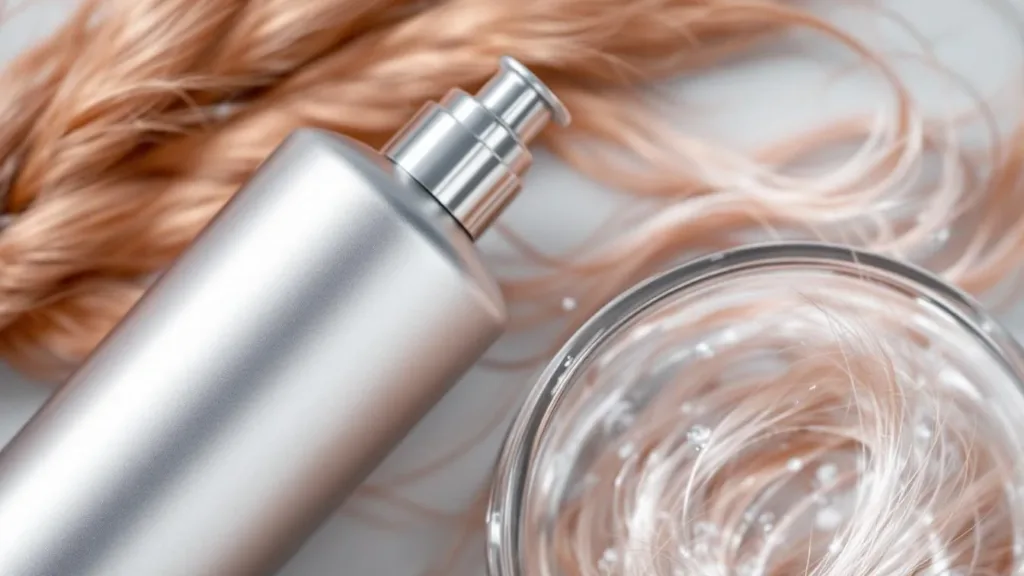
The intrigue around silver shampoos often leads to misconceptions, particularly regarding their efficacy on grey hair. Many people believe that these shampoos offer a straightforward solution to brassiness, but the reality is far more nuanced. In fact, grey hair undergoes significant changes in texture and porosity that require a tailored approach to hair care. As copper and melanin diminish, strands become coarser and often more porous, absorbing products differently than traditional hair types. This shift means that a one-size-fits-all solution won’t suffice; understanding the chemistry behind grey hair and how silver shampoo interacts with it is crucial for achieving the desired results.
Understanding the Challenges of Grey Hair
Grey hair is not merely a change in colour; it represents a profound alteration at a structural level. As hair loses melanin, it often becomes brittle and dry due to a decrease in oil production. This shift can lead to increased frizz and an inability to hold moisture, making it crucial to choose a shampoo that addresses these specific needs.
Moreover, the high porosity of grey hair means that it can absorb pigments from silver shampoos rapidly. While this can be advantageous for colour correction, it also poses a risk of uneven toning, which can result in unintended lavender hues or dull, flat finishes. Understanding these dynamics allows users to make informed decisions about their hair care regimen.
The Common Pitfalls of Silver Shampoos
Unfortunately, many silver shampoos on the market contain harsh detergents that strip away natural moisture, contributing to further dryness. Ingredients like sulfates, while effective at cleaning, can exacerbate the brittleness often associated with grey hair. Users may find themselves in a vicious cycle: using silver shampoo to combat brassiness only to end up with hair that feels even more parched.
Additionally, the uneven absorption of pigments in porous grey hair can lead to dissatisfaction. Shampoos designed for toning may leave some strands under-toned while others appear over-toned, resulting in a mismatched look that does not reflect the vibrant silver intended.
A Holistic Approach to Caring for Grey Hair
To achieve effective results, one must adopt a comprehensive routine. First and foremost, opt for silver shampoos that are free from sulfates and contain hydrating ingredients. Products with a pH balance that aligns with the natural scalp will not only nourish the hair but also support scalp health. Ingredients such as panthenol and fermented botanicals can offer soothing benefits while ensuring moisture retention.
Incorporating a clarifying shampoo periodically can reset the hair and remove product buildup, thus enhancing the effectiveness of silver shampoo treatments. Following this with a conditioning mask rich in hydrolyzed proteins prepares hair for optimal toning without overwhelming it with pigments.
Recognising the Role of Scalp Health
The health of the scalp plays an integral role in the overall appearance of grey hair. A well-nourished scalp can support stronger, healthier hair. Look for products enriched with ingredients that hydrate and calm, such as oat extract or bamboo, that promote balance and resilience. When strands are well-cared-for from the root to the tip, the results are considerably more luminous.
Moreover, considering sustainable and plant-based options can be beneficial not only for hair but also for the planet. Innovative brands are developing solutions that incorporate natural pigments and environmentally friendly packaging, combining effectiveness with eco-conscious sensibilities.
Understanding the specific needs of grey hair and employing a tailored approach to silver shampoo use can dramatically improve the vibrancy and overall health of silver locks. By focusing on gentle care and attention to scalp health, one can truly celebrate the beauty of grey or silver hair.