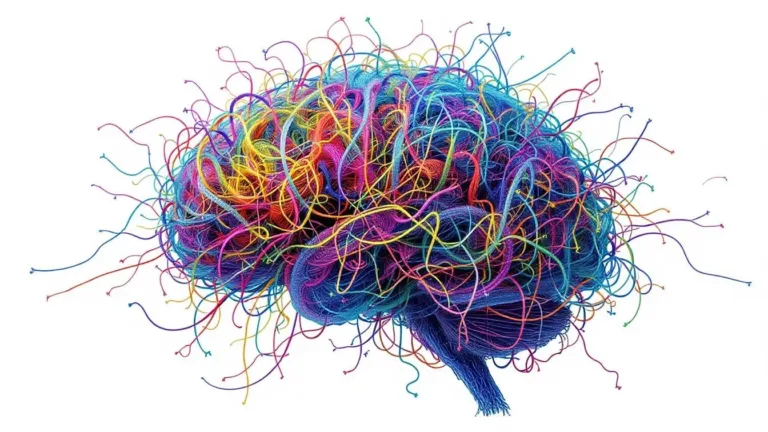
In today’s fast-paced world, many individuals find themselves waking up fatigued despite having enjoyed a full night’s sleep. This paradox of feeling so emotionally drained is often overlooked yet deserves a spotlight. Factors such as persistent stress, unresolved emotional trauma, and the burdens of daily responsibilities can take a toll on mental health, revealing a harsh truth: sleep alone does not guarantee rejuvenation. Without addressing the underlying sources of emotional exhaustion, one can find themselves in a cycle of fatigue that affects productivity, relationships, and overall well-being. Understanding this phenomenon can empower people to reclaim their energy and enhance their quality of life.
Understanding Emotional Exhaustion and Its Impact on Sleep Quality
Emotional exhaustion refers to a state where individuals feel depleted due to accumulated stress from everyday demands. Unlike physical fatigue, which may improve with rest, emotional exhaustion can linger painfully. Individuals might sleep for the recommended seven to nine hours yet still struggle with feelings of grogginess upon waking. This occurs because the nervous system remains perpetually activated, preventing the mind and body from attaining restorative sleep.
The Distinction Between Emotional and Physical Fatigue
While physical fatigue often resolves with adequate rest, emotional exhaustion collects over time. Its effects can extend into daily tasks, reducing one’s ability to concentrate and diminishing motivation. As a result, challenges that seemed manageable become overwhelming, creating a conducive environment for anxiety and even depression to thrive.
Signs of Emotional Exhaustion That Might Surprise You
Recognising the signs of emotional exhaustion is vital for anyone feeling persistently drained. Here are some key indicators suggesting emotional fatigue rather than just a lack of sleep:
- Waking up feeling unrefreshed, as if the night was insufficient.
- Experiencing difficulty concentrating on tasks, leading to increased errors at work or home.
- Feeling emotionally detached from loved ones, resulting in social withdrawal.
- Frequent irritability, where minor inconveniences prompt excessive frustration.
- Physical symptoms such as headaches, stomach issues, or chronic pain appear without clear medical reasons.
Why Sleep Is Not Enough
Many individuals mistakenly believe that simply getting more rest will alleviate their emotional fatigue. However, sleep quality plays an equally crucial role. Emotional exhaustion often leads to disrupted sleep cycles, preventing deep restorative sleep phases essential for healing and rejuvenation. As emotional burdens remain, they can manifest in vivid dreams or insomnia, making it impossible for the brain to recuperate fully.
Effective Strategies for Managing Emotional Exhaustion
To combat emotional exhaustion and improve overall mental health, consider implementing the following strategies:
- Prioritise Self-Care: Engage in activities that recharge your emotional batteries, such as hobbies or spending time in nature.
- Set Boundaries: Learn to say no to additional responsibilities that could push your limits further.
- Seek Professional Help: Consultation with a therapist can provide essential support and coping strategies.
The Power of Mindfulness and Stress Management Techniques
Incorporating mindfulness practices like meditation, yoga, or deep breathing exercises can create invaluable space for recovery. These techniques help reduce stress, allowing for greater emotional regulation and improved sleep quality. Making a habit of these practices can cultivate a sense of calm in the hustle and bustle of daily life.
Empowering Yourself Against Emotional Exhaustion
Ultimately, addressing emotional exhaustion requires an intentional approach toward managing stress and prioritising mental health. Recognising that feeling drained is not merely a sign of laziness or weakness can provide the space needed for change. Finding balance in life’s demands—through seeking support, setting boundaries, and incorporating mindfulness—can reignite enthusiasm and restore vitality.